
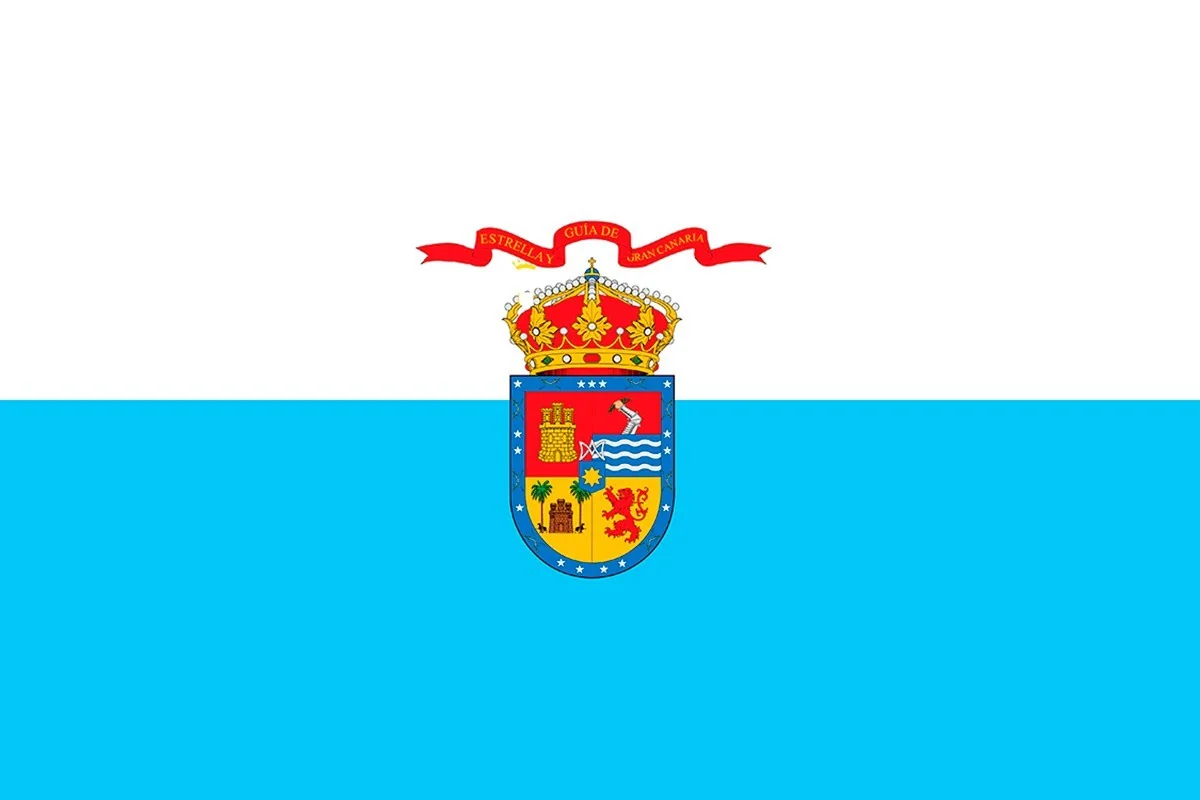
What to see in Santa María de Guía, Gran Canaria
Queso de flor and Cenobio de Valerón
Santa María de Guía Gran Canaria, the town of cheese, the knife and the great Canarian sculptor
Santa María de Guía — known simply as Guía — is one of the municipalities with the strongest identity in the northwest of Gran Canaria. Three elements set it apart from the rest of the island: the Queso de Flor, the only designation of origin in all of Gran Canaria; the cuchillo canario, made by hand using centuries-old techniques; and the sculptor José Luján Pérez, the most important artist in the history of Canary Islands, born and raised in this town. In addition, its territory holds the the Cenobio de Valerón, one of the most spectacular archaeological sites in the archipelago. For all this, Guía deserves much more attention than it usually gets. Check the webcams of Gran Canaria and check the weather before visiting.
The Cenobio de Valerón
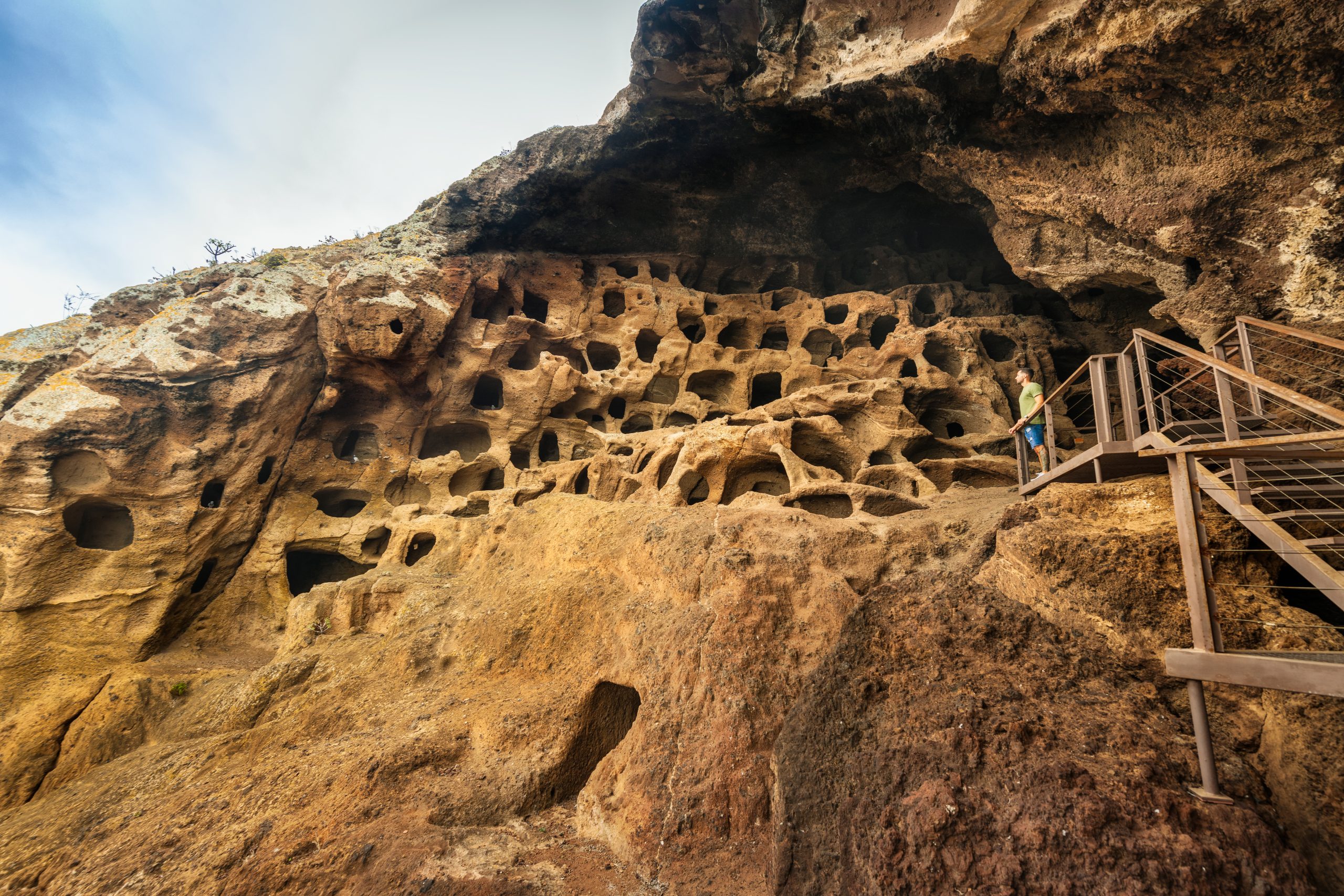
The the Cenobio de Valerón is the most impressive archaeological site in the municipality and one of the most important in Gran Canaria. Located on a high escarpment of the Montaña del Gallego, about 6 kilometres from the historic centre, it is the largest known pre-Hispanic communal granary in the world. The island's indigenous people carved more than 350 cavities into the porous volcanic rock, spread across several levels, to store their grain harvests. The site's strategic position made it a natural stronghold, almost invisible from outside.
The name “cenobio” refers to a romantic belief from the 19th century that attributed the place to a convent of aboriginal priestesses called harimaguadas, women consecrated to religious worship. The most widely accepted theory today is that it served as a communal granary. The visit includes access to the cave and views of the Barranco de Valerón and the northwest coast. The site is part of the Red de Espacios Arqueológicos de Gran Canaria and admission is free.
José Luján Pérez and the historic centre
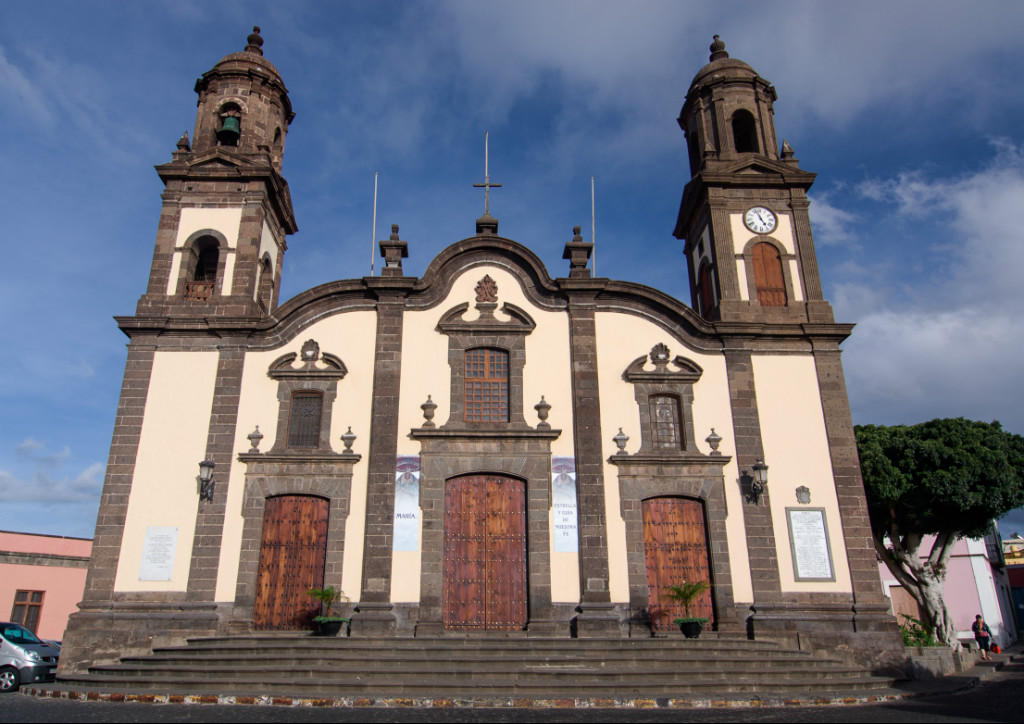
José Luján Pérez (1756-1815) is the most important sculptor Canary Islandshas ever produced. He was born in Guía and his work can be found in churches across the island and the archipelago. The Iglesia Parroquial de Santa María de Guía — built in 1607 with a Neoclassical façade flanked by two side towers — functions almost as a museum dedicated to the sculptor: inside it holds several altarpieces and images of his authorship, including a Cristo de la Columna and a Dolorosa of great artistic value.
The historic centre was declared a Monumento Histórico-Artístico Nacional in 1982 and is one of the best preserved in the north of Gran Canaria. Its cobbled streets and 17th- and 18th-century houses surround the Plaza Mayor , home to the Casa de los Quintana, a 17th-century building with a Canarian-Mudéjar wooden balcony and the coat of arms of the Guanarteme and Quintana families. The Casa-Museo José Luján Pérez, in the historic centre, gathers the sculptor's life and work in a restored old mansion. The Centro de Interpretación La Bodega — housed in the old Bodega de Chago, opened in 1936 — functions as a tourist point and outlet for local products.
The Queso de Flor
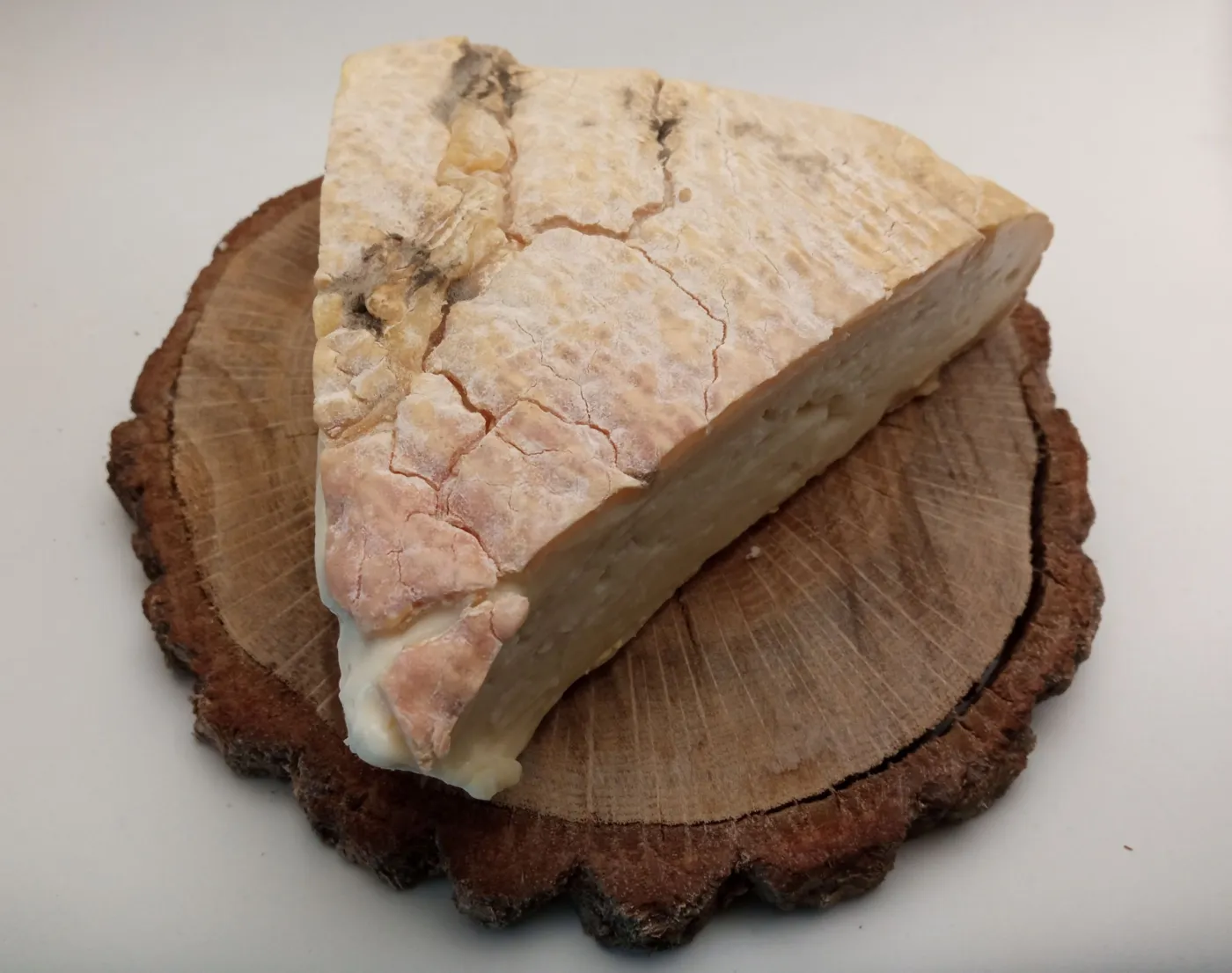
The Queso de Flor de Guía is the municipality's gastronomic gem and the only cheese in Gran Canaria with Protected Designation of Originwith a cardo flower as a natural coagulant instead of the usual animal rennet, giving the cheese a completely distinctive aroma, texture and flavour. The subsequent curing in caves, on wooden racks, completes the process and defines the product's character.
It is made in three varieties: Queso de Flor (100% plant-based rennet), Queso de Media Flor (a mix of plant and animal rennet) and Queso de Guía (animal rennet). The Casa del Queso de Montaña Alta lets you tour the production process with a tasting included. In addition, the Fiesta del Queso — held every year on the last weekend of April in the historic centre and the first weekend of May in Montaña Alta — is the municipality's most visited event, with thousands of people arriving from all over the island to taste and buy the cheese directly from the producers.
The Canarian knife and craftwork
Guía is one of the municipalities where the making of the cuchillo canario — also called naife — has the deepest roots and tradition. This tool, used for centuries by the island's farmers and herders, has a blade between 15 and 20 centimetres long and a wooden handle with metal and horn inlays in geometric patterns. Each knife is unique, and the craftsmen of Guía are considered the best in the archipelago. They can be bought directly at the municipality's workshops and at the Mercado Agrícola, which opens on Sundays from 8:30 to 14:00 in the Plaza Mayor.
Gastronomy in Guía
The gastronomic offering of Guía revolves around its own products. The Queso de Flor is the undisputed star: served as a starter, on a platter or in spoon dishes. The municipality's restaurants also serve wrinkled potatoes with mojo, fresh fish from the north coast, grilled meats and scalded gofioThe Bodega de Santiago, known as La Bodega, has a counter with more than 80 years of history and was a meeting point for figures such as tenor Alfredo Kraus or physician Gregorio Marañón.
How to get to Santa María de Guía
Santa María de Guía is about 25 kilometers of Las Palmas de Gran Canaria via the GC-2 motorway (approximately 25-30 minutes by car). The the Cenobio de Valerón has signposted access from the same GC-2, exit 20, about 6 kilometres from the historic centre. By public transport, the line 105 Global connects Las Palmas with Guía with frequent departures. Check also the map of the municipalities of Gran Canaria to help you navigate the island.
Frequently asked questions about Santa María de Guía Gran Canaria
What is Queso de Flor de Guía?
It is an artisan cheese with a Protected Designation of Origin, the only one in Gran Canaria. Its main feature is the use of the cardo flower as a plant-based coagulant instead of animal rennet. This gives it a unique aroma, texture and flavour. It is made in three varieties: Queso de Flor, Queso de Media Flor and Queso de Guía.
What is the Cenobio de Valerón?
It is the largest known pre-Hispanic communal granary in the world, located on an escarpment of the Montaña del Gallego in the municipality of Guía. More than 350 cavities carved into the volcanic rock stored the harvests of the island's indigenous people. The visit is free and access is via exit 20 of the GC-2 motorway.
Who was José Luján Pérez?
He was the most important sculptor in the history of Canary Islands (1756-1815). He was born in Santa María de Guía and his work can be found in churches across the island. The Iglesia Parroquial de Guía holds several of his most important pieces. The Casa-Museo José Luján Pérez in the historic centre is dedicated to his life and work.
When is the Fiesta del Queso de Guía held?
It is held every year on two occasions: the last weekend of April in the historic centre and the first weekend of May in the Montaña Alta district. Thousands of people arrive from all over the island to taste the Queso de Flor, watch production demonstrations and take part in folklore and craft activities.
Where can you buy the Canarian knife in Guía?
Canarian knives — naifes — can be bought at the municipality's craft workshops and at the Mercado Agrícola in the Plaza Mayor, open Sundays from 8:30 to 14:00 . They are unique pieces with a wooden handle and geometric inlays, and the craftsmen of Guía are considered the best in the archipelago.
How do you get to Guía from Las Palmas de Gran Canaria?
It's about 25 kilometres via the GC-2 motorway, between 25 and 30 minutes by car. By bus, the line 105 Global connects Las Palmas with Guía with frequent departures. For the Cenobio de Valerón, take exit 20 of the GC-2, about 6 kilometres from the historic centre.