
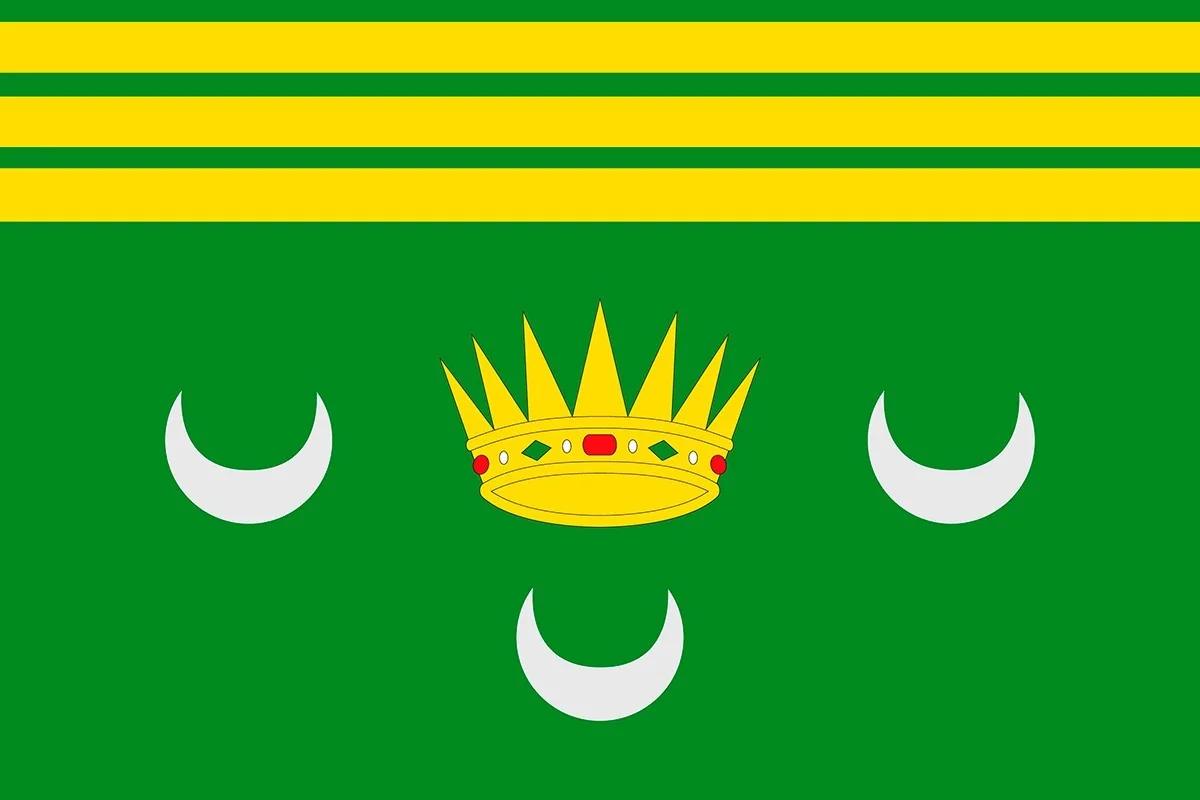
What to see in Gáldar, Gran Canaria
Cueva Pintada and the ancient aboriginal capital
Gáldar Gran Canaria, the island's first capital, between history and coast
Gáldar is one of the municipalities with the most history on Gran Canaria. Before the Europeans arrived, Agáldar — as the indigenous people called it — was the capital of the northern guanartemato and the seat of power of the guanarteme, the king who ruled the communities of the northwest. Because of this, the municipality holds the most important archaeological site on Gran Canaria: the Museo y Parque Arqueológico de la Cueva Pintada. Its historic centre, its coast with blue-flag beaches and the local artistic tradition also make Gáldar a destination with much more to offer than its pre-Hispanic past. Also check the map of Gran Canaria to help you navigate the island.
La Cueva Pintada
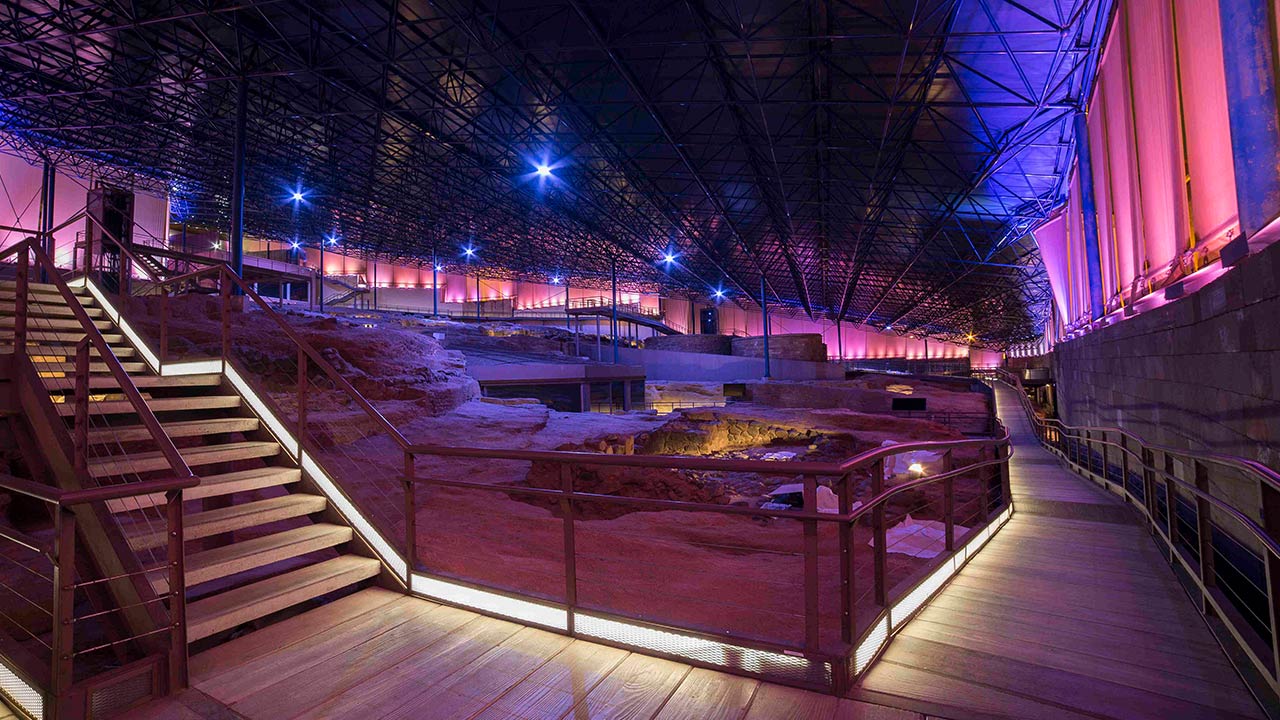
The Museo y Parque Arqueológico de la Cueva Pintada is the municipality's most important visit and one of the most distinctive archaeological sites in Canary IslandsA farmer named José Ramos Orihuela first entered it in 1873 through a hole in the roof and gave it the name it holds today. The cave, carved into volcanic rock, has walls covered with geometric motifs painted in red, white and black. Circles, semicircles and squares form a unique ensemble that some researchers link to a lunar and solar calendar, and which the indigenous people regarded as a sacred space.
The park covers an area of 5,000 m² and surrounds the remains of more than 50 houses and caves from the old pre-Hispanic settlement of Agáldar. A large walkway lets you tour the site from above, watching the ongoing excavation work. The museum built into the site also explains in detail the life, economy and beliefs of the island's indigenous people. All visits are guided and by prior booking. Opening hours are Tuesday to Saturday from 10:00 to 18:00 and Sundays from 11:00 to 18:00. Admission costs 6 euros for adults.
The historic centre and the Iglesia de Santiago
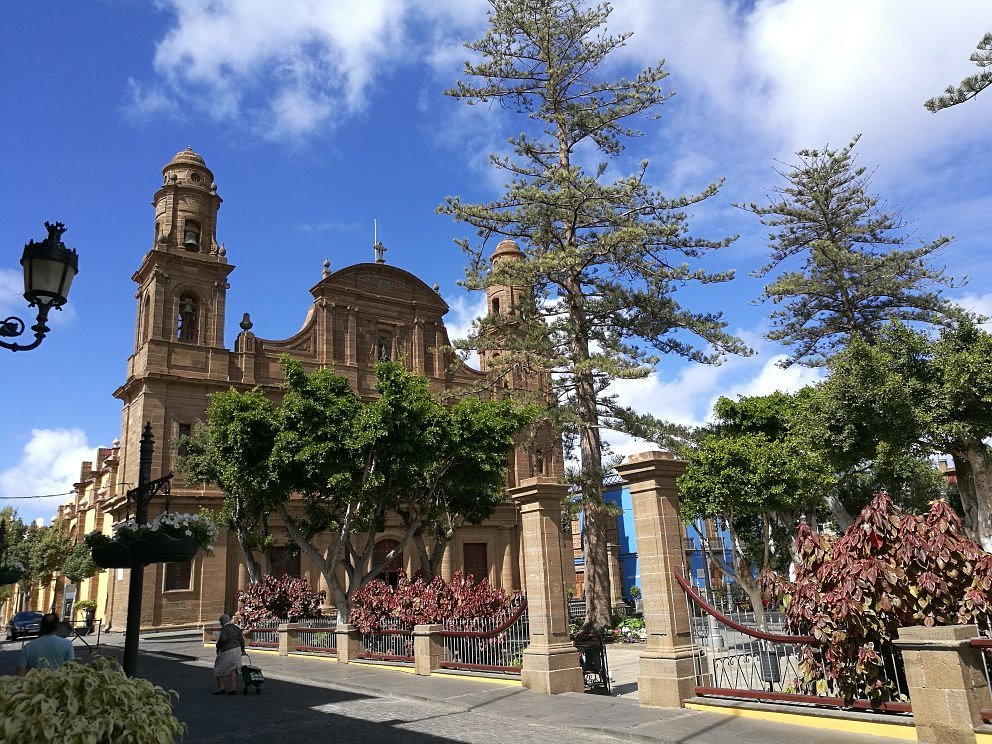
The historical center of Gáldar has the quiet feel of a city that was a capital for centuries. The Plaza de Santiago is its heart: a wide square with palm trees and gardens, home to the Iglesia de Santiago Apóstol and the City Council. The church, built between the 18th and 19th centuries, holds inside an indigenous baptismal font of great historical value — believed to have been used to baptise the guanarteme Tenesor Semidán after his conversion to Catholicism — and the Museo de Arte Sacro at the back.
The Casa Museo Antonio Padrón is another point of interest in the centre: it is dedicated to Gáldar-born painter Antonio Padrón (1920-1968), one of the most important artists in Canary Islands, known for his large-format works with human figures and vivid colours. The Casa Cachazo y Verde de Aguilar, an 18th-century colonial manor house, and the Fuente de los Chorros round out the tour of the historic centre.
The Cenobio de Valerón
A few kilometres from Gáldar, on the border with the municipality of Moya, is located the Cenobio de Valerón, one of the most impressive archaeological sites on Gran Canaria. It is a set of more than 300 artificial caves carved into a large volcanic stone ceiling. Researchers believe it served as a communal granary for the island's northern indigenous people, or as a place of seclusion for the harimaguadas, women consecrated to religious worship. Whatever its purpose, the scale of the site and the view over the ravine are extraordinary. Entry is free.
The coast: Playa de Sardina and the lighthouse
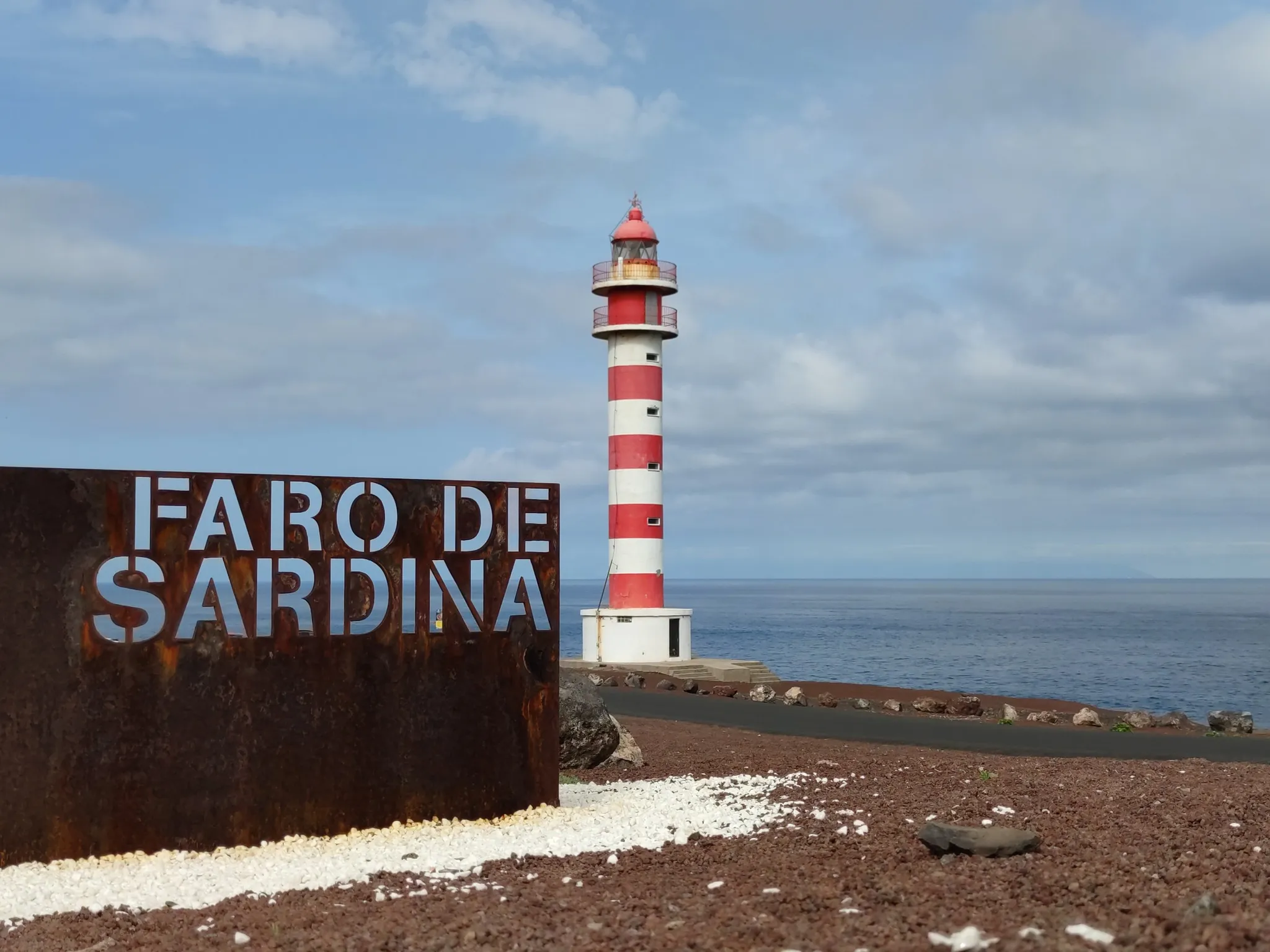
The coast of Gáldar offers some of the best beaches in the northwest of Gran CanariaThe Playa de Sardina is the best known: a cove of dark sand with a blue flag since 2018, calm water and a traditional fishing village with fresh fish restaurants. The Faro de Sardina, at the northern tip of the municipality, is the northernmost point of Gran Canaria and offers views of the ocean and the rocky northwest coastline.
The Playa del Agujero, a little further south, is quieter and less busy. Its clean water and volcanic surroundings make it a much-loved alternative among locals. The municipality's coastal area is also part of the Reserva Marina del Norte de Gran Canaria, which guarantees the quality of its seabeds.
Gastronomy in Gáldar
The gastronomy of Gáldar combines inland Canarian cuisine with fresh fish and seafood from the coast. The restaurants in the centre serve wrinkled potatoes with mojo, stews, grilled meats and homemade cheeses. At the bars of the Sardina harbour, you can eat the catch of the day, grilled limpets and octopus with red mojo right by the sea. The Mercado Municipal de Gáldar is also a good place to buy local produce, seasonal fruit and local craftwork.
How to get to Gáldar
Gáldar is in the northwest of Gran Canaria, about 28 kilometres from Las Palmas de Gran Canaria via the GC-2 motorway (approximately 30 minutes by car). It's one of the best-connected municipalities in the north of the island thanks to the motorway. By public transport, line 105 Global connects Las Palmas with Gáldar with frequent departures throughout the day. Also check the map of the municipalities of Gran Canaria to help you navigate the island.
Frequently asked questions about Gáldar Gran Canaria
What is the Cueva Pintada in Gáldar?
It is the most important archaeological site on Gran Canaria: an artificial cave with walls decorated with geometric motifs painted by the Canarian indigenous people, surrounded by the remains of more than 50 houses from the old settlement of Agáldar. It is right in the centre of the city and opens Tuesday to Saturday from 10:00 to 18:00. Admission costs 6 euros for adults, and visits are always guided and by prior booking.
Why was Gáldar the first capital of Gran Canaria?
Before the Spanish conquest, 1483, Agáldar was the capital of the northern guanartemato and the residence of the guanarteme, the indigenous king who ruled the northern half of Gran Canaria. The island was divided into two kingdoms: Gáldar in the north and Telde in the south. That's why Gáldar was the most important centre of power in pre-Hispanic Gran Canaria .
What is the Cenobio de Valerón?
It is a set of more than 300 artificial caves carved beneath a large volcanic stone ceiling on the border between Gáldar and Moya. It is believed to have been a communal granary or a place of seclusion for the harimaguadas, women consecrated to indigenous religious worship. Entry is free and the views over the ravine are stunning.
Which is the best beach in Gáldar?
The Playa de Sardina is the best known and has had a blue flag since 2018. It has dark sand, calm water and fresh fish restaurants in the fishing village around it. The Playa del Agujero, a little further south, is a quieter alternative much loved by locals.
Who was Antonio Padrón?
He was a Gáldar-born painter (1920-1968) considered one of the most important artists in Canary Islands. His work is characterised by large formats with human figures, vivid colours and a very personal style. The Casa Museo Antonio Padrón in the centre of Gáldar is dedicated to his life and work.
How do you get to Gáldar from Las Palmas de Gran Canaria?
It's about 28 kilometres via the GC-2 motorway, approximately 30 minutes by car. By bus, the line 105 Global connects Las Palmas with Gáldar with frequent departures throughout the day. It's one of the northern municipalities best connected to the capital.