
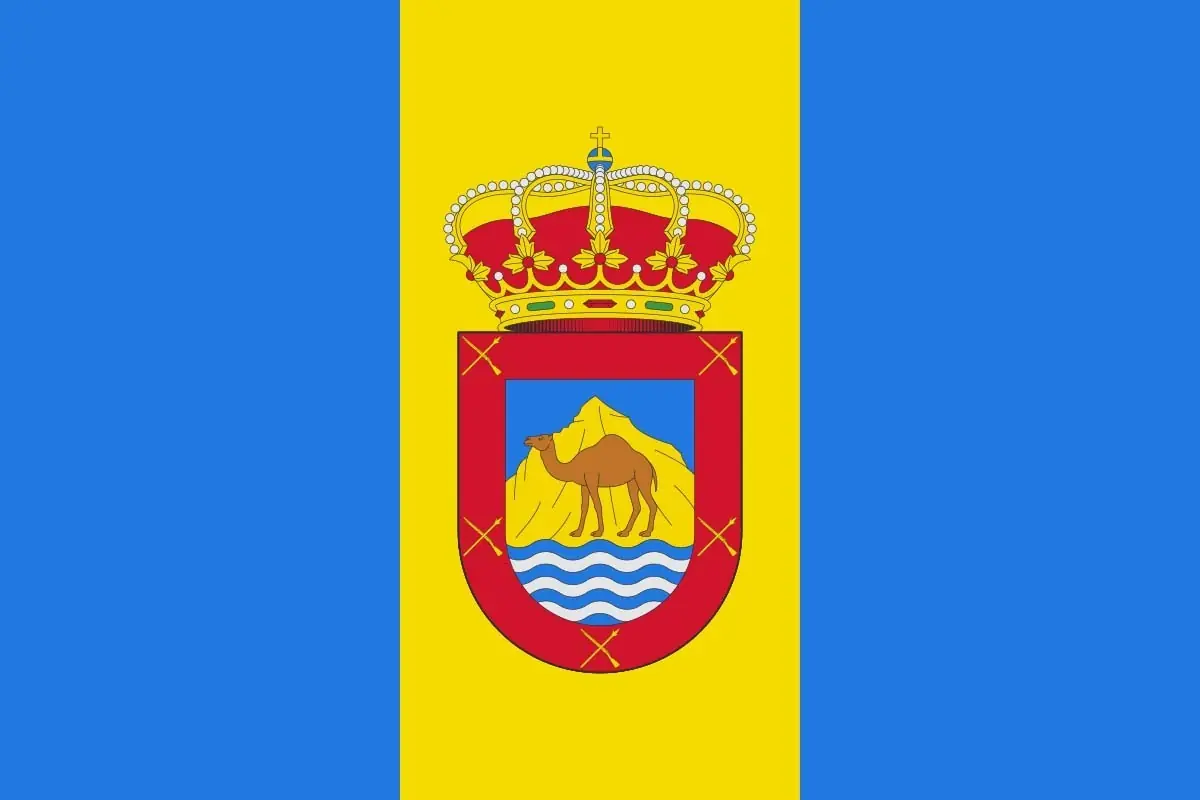
Live webcams of Tuineje, Fuerteventura
Gran Tarajal and the southeast coast
Tuineje Fuerteventura, the authentic southeast that defeated the corsairs
Tuineje is the municipality in the southeast of Fuerteventura that best preserves majorero identity. Its historic center, restored windmills, and 18th-century hermitages coexist with a coastline of little crowded black sand beaches. Additionally, the municipality preserves one of the most celebrated historical episodes on the island: the Battle of Tamasite of 1740, when the locals defeated English troops attempting to plunder the coast. Therefore, Tuineje it is much more than a beach destination. Check the live cameras of Fuerteventura and check the weather in real time.

The Battle of Tamasite and the historic center
The October 13, 1740, English troops landed on the coast of Fuerteventura intending to plunder the municipality. The locals, led by Sergeant Juan Bethencourt y García, repelled them with camels, machetes, and spears in the area of Tamasite, on the outskirts of Tuineje. The victory was so celebrated that the governor of arms made a promise to the archangel San Miguel. Therefore, every October 13 the Jurada Fiesta of San Miguel, occurs with a theatrical representation of the battle in the center of the village. It is one of the most popular and participatory festivals in all of Fuerteventura.
The centre of Tuineje also has a well-preserved heritage. The Iglesia de San Miguel Arcángel, whose origin dates back to 1695 and was declared Cultural Heritage of Interest in 1986, dominates the main square. Inside, it holds the image of the patron saint, the representation of the Battle of Tamasite, and a Christ from the 18th century. The camel sculpture in front of the church commemorates the role of the animals in the 1740 victory.
The Tiscamanita Windmills
The hamlet of Tiscamanita, a few kilometers from the downtown of Tuineje, houses the Windmill Interpretation Center, one of the most interesting museums in the interior of Fuerteventura. The building integrates a restored and operational windmill, as well as rooms with mortars, hand mills, and pieces of tahona that explain the history of gofio production on the island. The visit is short but very comprehensive. Also, the Hermitage of San Marcos Evangelista in Tiscamanita, from the 18th century, is another point of interest in the village.
On the other hand, the municipality conserves other windmills in Llano Florido and in various villages in the area, making it Tuineje the municipality with the highest concentration of restored windmills in Fuerteventura.
Gran Tarajal and the coast
Gran Tarajal is the most populated core of the municipality and the most active port in the southeast of Fuerteventura. Its fine black sand beach is one kilometer long and has a well-equipped promenade. It is, furthermore, the closest town to Africa in all of Fuerteventura, less than 100 kilometers from the continent. The atmosphere is local and tranquil, far removed from the mass tourism of the island's north and west.
The Gran Tarajal Lime Kiln, built in 1953, is the largest in Fuerteventura and today serves as a point of interest in industrial heritage. The Punta La Entallada Lighthouse, a few kilometers north of Gran Tarajal, is one of the most photogenic lighthouses on the island: it stands high on a cliff of over 200 meters with views of the ocean and the southeast coast.
Las Playitas and Tarajalejo
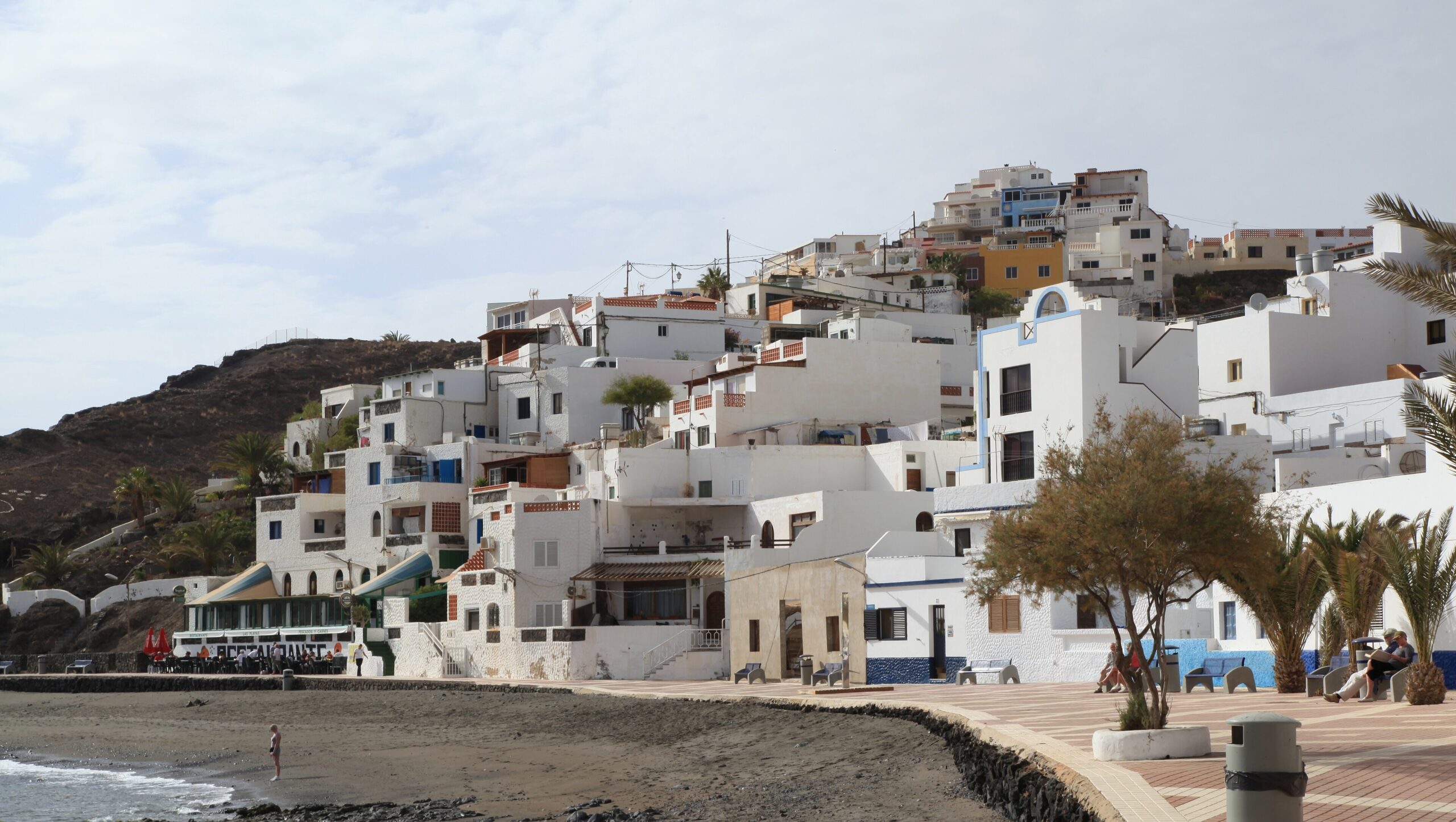
Las Playitas is a small fishing village at the southern tip of the municipality with a very authentic local atmosphere. Its fine sand beach, well protected from the wind, is one of the quietest in the southeast. The Las Playitas High-Performance Center also turns the village into a regular destination for European cyclists and triathletes who train here during the winter. On the other hand, Tarajalejo is another quiet coastal area with calm water beaches, wave-free, highly valued by swimming and snorkeling enthusiasts.
Both villages combine a maritime atmosphere with fresh fish restaurants and an unpretentious cuisine, directly sourced from the sea.
Gastronomy in Tuineje
The cuisine of Tuineje mixes the flavors of the majorero interior with the fish from the southeast. The restaurants in the municipality serve wrinkled potatoes with mojo, parrotfish and wreckfish grilled, fish sancocho and baifo roasted. The majorero cheese with Appellation of Origin is the best-known local product. Moreover, the Quesería Maxorata, located in the municipality, is one of the most recognized producers on the island and allows visits with tastings. On the other hand, the Tuineje Market brings together local products, crafts, and traditional pastries every week.

How to get to Tuineje
Tuineje is in the southeast of Fuerteventura, about 30 kilometers from Puerto del Rosario via the FV-2 (approximately 30 minutes by car). From the Fuerteventura Airport it is about 25 kilometers and 25 minutes. Gran Tarajal has direct access from the FV-2. To visit downtown Tuineje, Tiscamanita, and the coast, it is recommended to use a personal vehicle, as the different points of interest are spread throughout the municipality. Also check the live cameras of Fuerteventura to help you navigate the island.
Frequently asked questions about Tuineje Fuerteventura
What is the Battle of Tamasite?
In 1740, English troops landed on the coast of Fuerteventura intending to plunder the municipality. The locals defeated them in Tamasite Tamasite with camels and rudimentary weapons. Every October 13 the Jurada Fiesta of San Miguel with a theatrical representation of the battle. It is one of the most popular festivals in all of Fuerteventura.
What to see in Gran Tarajal?
Gran Tarajal has a one-kilometer black sand beach, a well-equipped promenade, the Lime Kiln the largest on the island and the Punta La Entallada Lighthouse just a few kilometers to the north. It is also the closest town to Africa in Fuerteventura, with a local and tranquil atmosphere away from mass tourism.
What is the Tiscamanita Windmill Interpretation Center?
It is a museum in the area of Tiscamanita with a restored and operational windmill. Its rooms explain the history of gofio production in Fuerteventura through mortars, hand mills, and pieces of tahona. The visit is short, comprehensive, and very recommended to understand the majorero interior.
What are the best beaches in Tuineje?
The beach of Gran Tarajal, with black sand and a length of one kilometer, is the most well-known. The beach of Las Playitas is well protected from the wind and has calm waters. The beach of Tarajalejo, wave-free, is ideal for swimming. All three have a local atmosphere and are away from the mass tourism of the island's north.
What is Quesería Maxorata?
It is one of the most recognized producers of majorero cheese in Fuerteventura, located in the municipality of Tuineje. Majorero cheese has Appellation of Origin and is made with native majorera goat milk. The cheese factory allows visits with tastings.
How to get to Tuineje from the airport?
It is about 25 kilometers from the Fuerteventura Airport via the FV-2, approximately 25 minutes by car. Gran Tarajal has direct access from the FV-2. It is recommended to use a personal vehicle to visit the downtown of Tuineje, the Tiscamanita windmills, and the coast.