
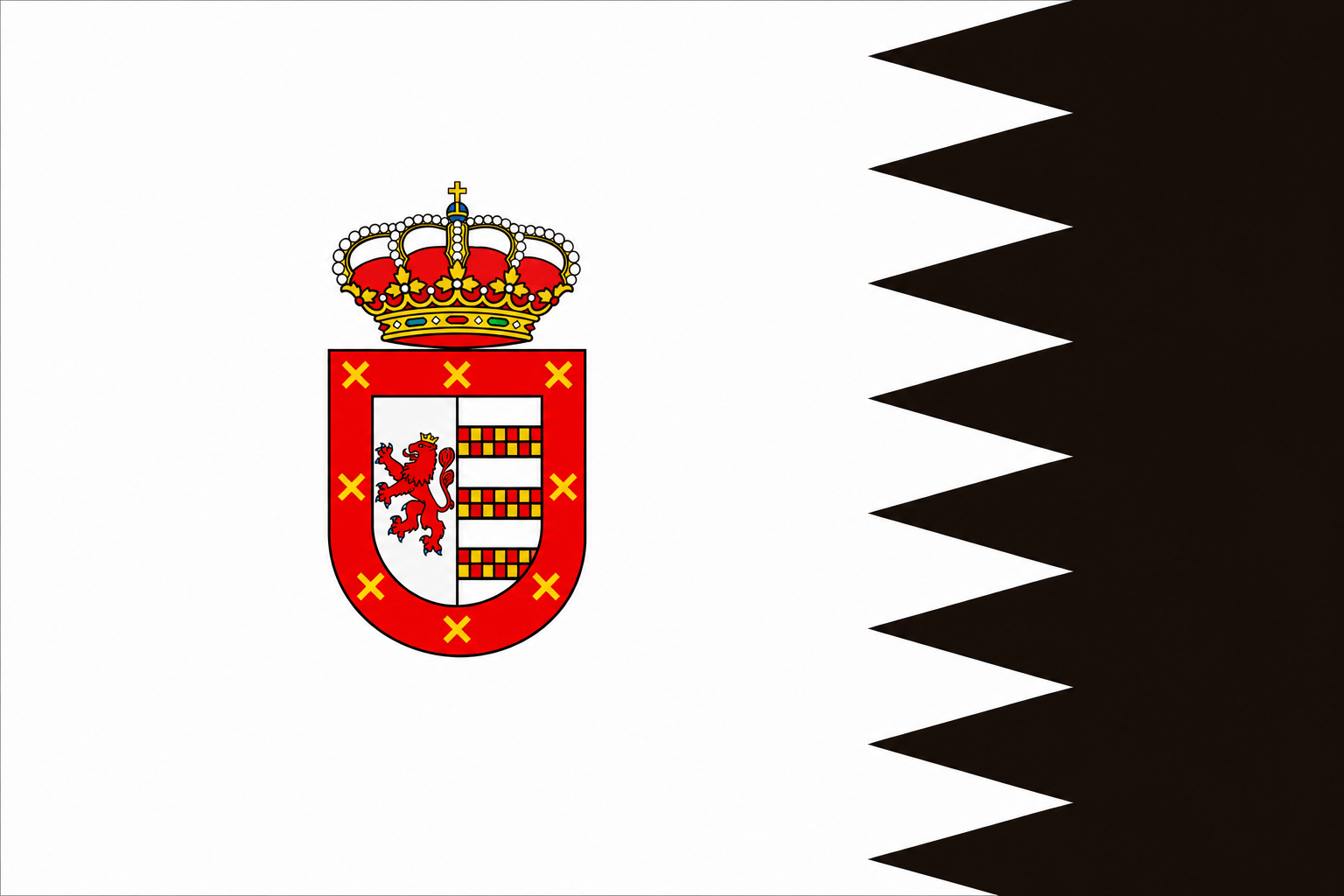
What to see in Betancuria, Fuerteventura
The oldest town in the Canary Islands, founded in 1404
Betancuria Fuerteventura, the first city founded in the Canary Islands
Betancuria is the smallest and oldest municipality in Fuerteventura. Norman explorer Jean de Béthencourt founded it in 1404, choosing an inland valley shielded by mountains to protect it from pirate raids on the coast. This is why the town bears its founder's name, and it was for centuries the capital of all Fuerteventura — and of Canary Islands — until 1834. Today it is one of the most historic towns in the archipelago and is on the list of The Most Beautiful Villages of Spain. In addition, the 91% of its territory is within Parque Rural de Betancuria, making it one of the best-protected natural environments in the islands. Check the live cameras of Fuerteventura and check the weather in real time.
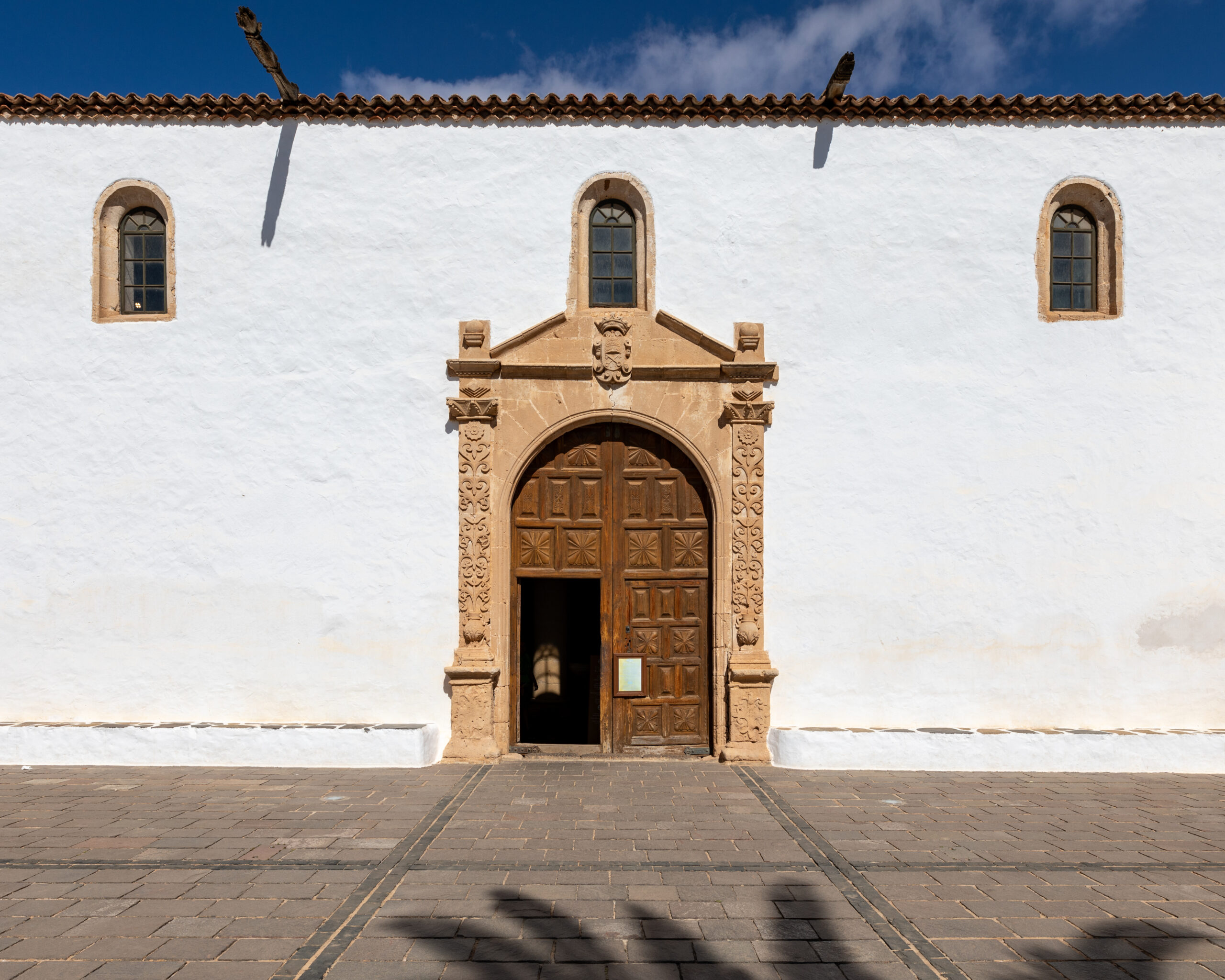
The Iglesia de Santa María and the historic centre
The Iglesia de Santa María de Betancuria is the municipality's most important building and one of the oldest in Canary Islands. Its origins go back to 1410, when Jean de Béthencourt ordered the temple built in French Gothic style. In 1593, Berber pirates under the arráez Xabán razed the town and destroyed the church. The rebuilding took several decades and gave it the appearance it has today. Inside it holds a Baroque altarpiece, murals of great value, several 17th-century religious images and the banners captured during the pirate invasion. For all this, it was declared a Cultural Heritage of Interest.
The historic centre surrounding the church was declared a Historical Ensemble in 1979. Its cobbled streets, white houses with wooden doors and main square form one of the best-preserved historic centres in the archipelago. On the outskirts of the centre are also the ruins of the Convento de San Buenaventura, founded in 1416 by the Franciscan friars who accompanied the conquerors. Only the stone structure remains, but the atmosphere it creates among the ravines of the rural park is very evocative.
The Museo Arqueológico y Etnográfico
The Museo Arqueológico y Etnográfico de Betancuria is a must-stop for understanding the history of Fuerteventura before and after the conquest. Its rooms hold ceramics, tools and objects of the mahos — the island's indigenous people — alongside panels explaining their social organisation, culture and relationship with the land. The museum also devotes space to majorero ethnography after the conquest, with everyday objects, costumes and farming tools. The visit is short but very thorough.
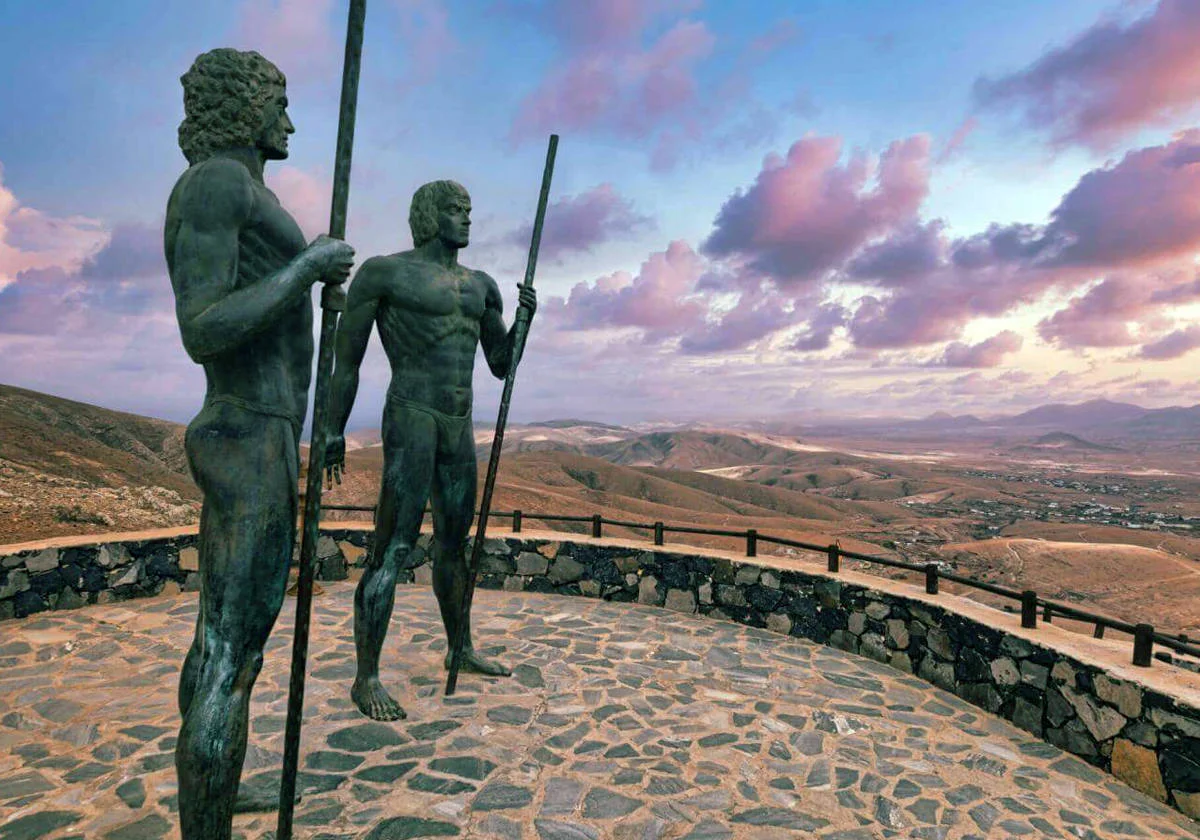
The Mirador de Morro Velosa
The Mirador de Morro Velosa, designed by César Manrique, is one of the viewpoints with the best views in all of Fuerteventura. It sits at almost 700 meters high above the Parque Rural de Betancuria. From there you can see mountains, valleys and much of the north of the island in a single glance. The viewpoint is presided over by two large bronze statues of Guise y Ayose, the last two indigenous kings of Fuerteventura, the work of Lanzarote-born sculptor Emiliano Hernández. It is therefore a stop of cultural as well as scenic value.
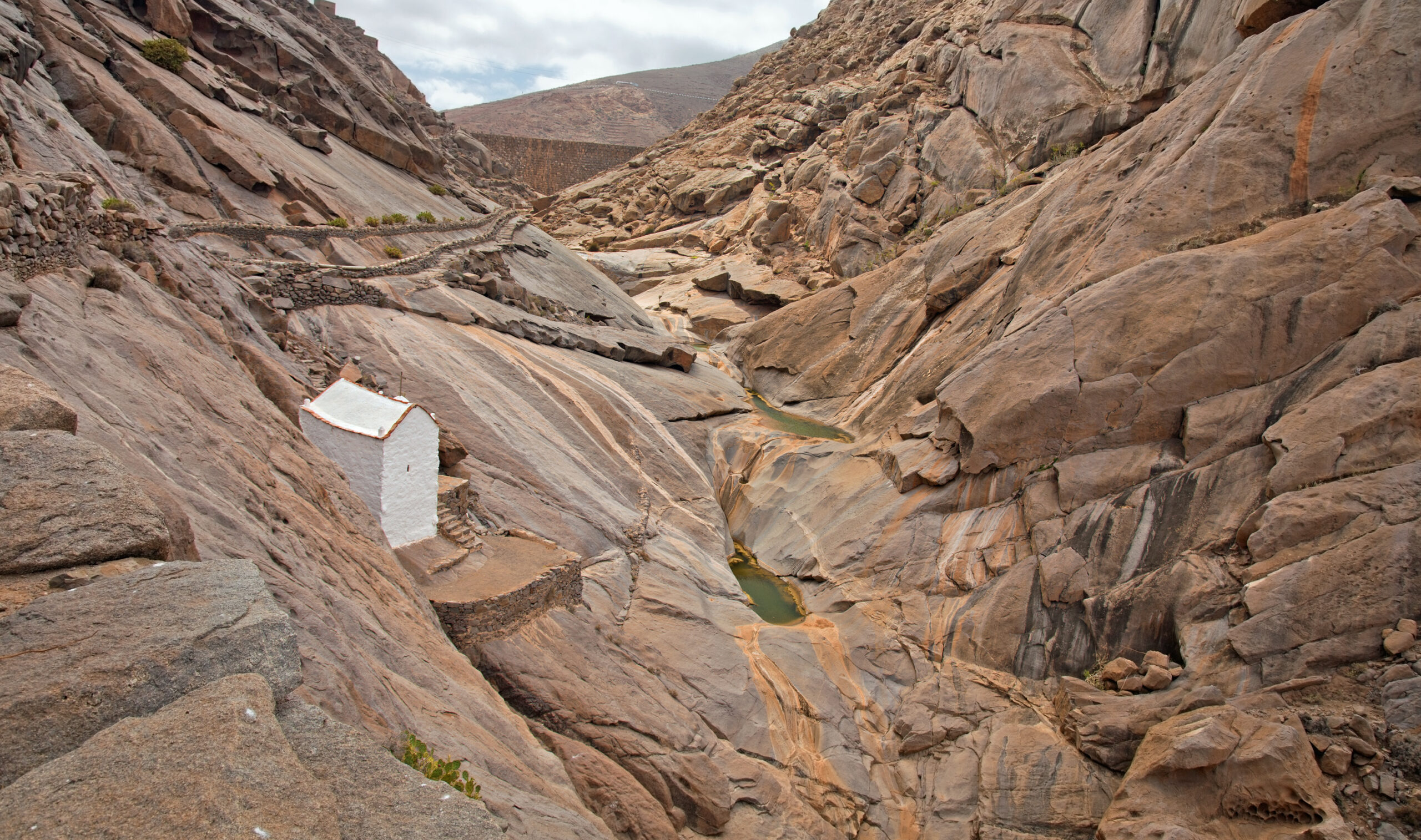
Vega de Río Palmas and the Virgen de la Peña
Vega de Río Palmas is the municipality's greenest settlement and one of the most photogenic in the interior of Fuerteventura. Its palm trees, small reservoir and the red rock walls of the Barranco de las Peñitas create a landscape very different from the arid coast. In the village stands the Ermita de Nuestra Señora de la Peña, which holds the image of the patron saint of Fuerteventura: an alabaster carving barely 23 centimetres tall. According to legend, friar Juan de Santorcaz found it hidden in the Barranco de Malpaso during the conquest.
Every year, on the third Saturday of September, pilgrims from across the island descend to Vega de Río Palmas in a romería to honour the Virgin. It is one of the most popular and participatory religious celebrations in Fuerteventura. Trails also set off from the village towards the Barranco de las Peñitas, one of the most spectacular in the municipality.
Hiking and the Parque Rural de Betancuria
The Parque Rural de Betancuria covers more than 90% of the municipal area and offers a landscape of mountains, ravines and native vegetation very different from the coast of Fuerteventura. Its trails are among the least crowded on the island, letting you walk peacefully among cardones, tabaibas and pines. The route to the Barranco de las Peñitas, with its reddish walls and reservoir, is the most popular. Meanwhile, the route to the Mirador de Guise y Ayose draws cyclists and hikers every day who climb up from the valley for altitude and views.
Gastronomy in Betancuria
The municipality's restaurants serve traditional majorero cuisine with ingredients from the island's interior. The majorero cheese with Appellation of Origin is the star product: made from majorero goat's milk, it can be tasted fresh, semi-cured or cured at the village's tascas. In addition, around Betancuria there are farms where you can watch the cheese being made live. The wrinkled potatoes with mojo, the baifo kid goat, watercress stew and traditional pastries round out an honest, locally sourced gastronomic offering.
How to get to Betancuria
Betancuria is in the central-west of Fuerteventura, about 25 kilometres from Puerto del Rosario via the FV-30 (approximately 30 minutes by car). From Caleta de Fuste or Costa Calma the journey takes between 30 and 40 minutes. The municipality is inland with no motorway access, so the road is a winding mountain one. A private car is recommended, as public transport is very limited. Also check the live cameras of Fuerteventura to help you navigate the island.
Frequently asked questions about Betancuria Fuerteventura
Why was Betancuria the first capital of the Canary Islands?
Jean de Béthencourt founded the town in 1404 and made it the centre of power of the Norman conquest. It was the capital of Fuerteventura and of Canary Islands to 1834, when the capital moved to Las Palmas de Gran Canaria. Its inland position protected it from pirate raids, which made it preferable to any coastal site for centuries.
What is the Iglesia de Santa María de Betancuria?
It is the oldest temple in Fuerteventura, dating back to 1410. Berber pirates destroyed it in 1593 and it was rebuilt with its current appearance. It holds a Baroque altarpiece, murals and the banners captured during the pirate invasion. It is declared a Cultural Heritage of Interest and is the most visited monument in the municipality.
What is the Mirador de Morro Velosa?
It is a viewpoint designed by César Manrique at almost 700 meters high above the Parque Rural de Betancuria. It offers one of the best panoramic views of Fuerteventura and is presided over by the bronze statues of Guise y Ayose, the island's last two indigenous kings.
When is the romería of the Virgen de la Peña?
It is celebrated on third Saturday of September in Vega de Río Palmas. Pilgrims from across Fuerteventura descend in a romería to the Ermita de Nuestra Señora de la Peña to honour the island's patron saint. It is one of the most participatory and traditional festivals in Fuerteventura.
Is Betancuria among the Most Beautiful Villages of Spain?
Yes. Betancuria is on the list of The Most Beautiful Villages of Spain thanks to the quality of its historic centre, declared a Historical Ensemble in 1979, and its natural surroundings within the Parque Rural de Betancuria, which covers more than 90% of the municipality.
How do you get to Betancuria from Puerto del Rosario?
It's about 25 kilometres via the FV-30 road, between 25 and 30 minutes by car. The road is a winding mountain one. A private car is recommended, as public transport in the area runs very infrequently.