

Healthcare in the Canary Islands: hospitals, health insurance, and costs
The Canary Islands are not only known for their privileged climate, volcanic landscapes, and rich culture, but also for having an efficient and accessible healthcare system.Whether you are coming for vacation, considering moving, or are already a resident, understanding how the Healthcare in the Canary Islands system works is key to enjoying a peaceful and safe stay.
The archipelago has a robust public network, complemented by a high-quality private offering. Below, we break down all the essentials: from access to hospitals to actual costs and health insurance options.
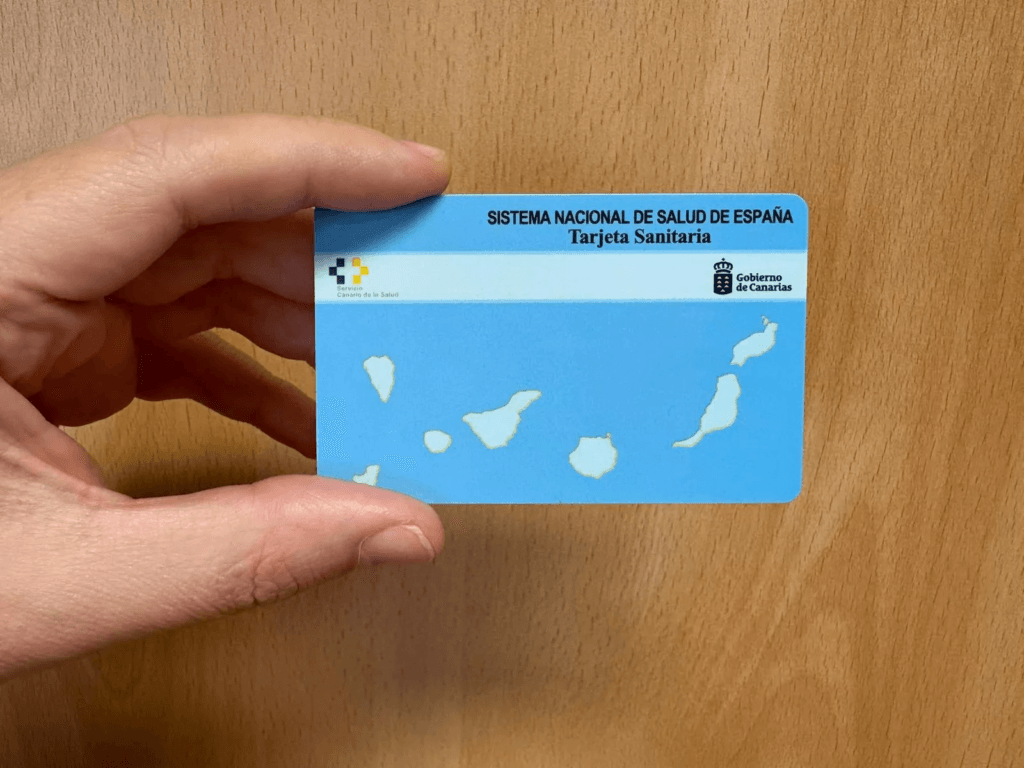
Public healthcare system: universal and free for residents
Healthcare in the Canary Islands is part of the Spanish National Health System, managed autonomously by the Canary Health Service (SCS). This system guarantees universal, free, and quality healthcare for all persons legally registered in any of the seven islands.
Who is entitled?
- Legally registered residents in the Canary Islands.
- EU citizens with a European Health Insurance Card (EHIC).
- Non-EU tourists in emergency cases (though they may incur subsequent costs if uninsured).
Once registered, you must apply for the Individual Health Card (TIS) at your designated health center. With it, you access:
- Primary care (general practitioner, pediatrician, nursing).
- Specialists by referral.
- Hospital emergencies.
- Diagnostic tests and treatments.
- Medications with co-payment (between 10% and 60%, depending on income; retirees and pensioners pay less).
💡 Practical advice: Registration is mandatory to access the public system. Without it, even if you are a European citizen, you could face administrative difficulties.
Public hospitals in the Canary Islands: island coverage
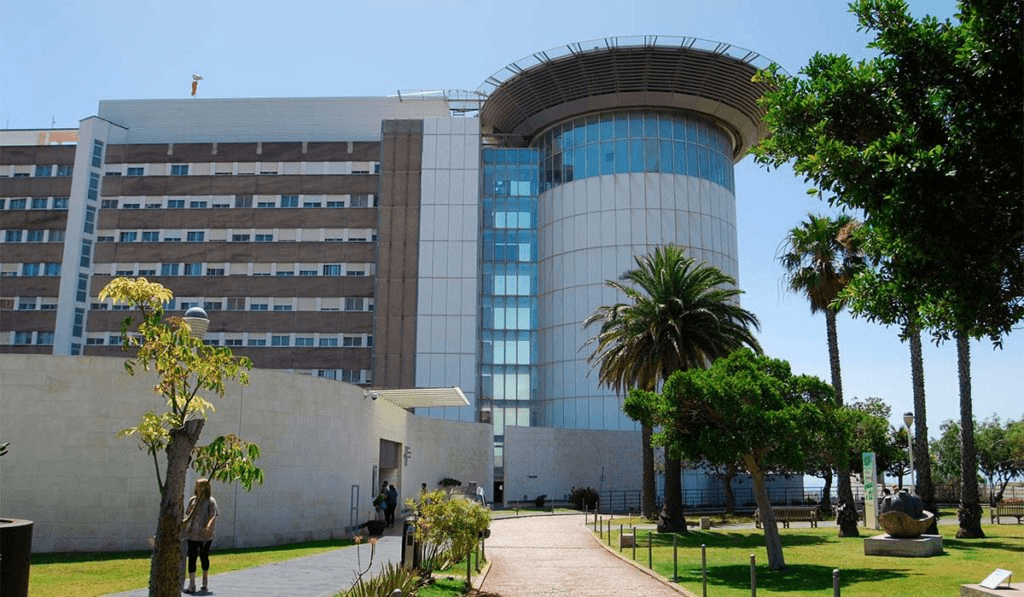
Each island has at least one reference hospital, in addition to health centers distributed strategically:
| Tenerife | Canary University Hospital (La Laguna), HU Nuestra Señora de Candelaria (Santa Cruz) |
| Gran Canaria | Dr. Negrín Hospital (Las Palmas), Maternal Insular Hospital |
| Lanzarote | Doctor José Molina Orosa Hospital (Arrecife) |
| Fuerteventura | General Hospital of Fuerteventura (Puerto del Rosario) |
| La Palma | General Hospital of La Palma (Santa Cruz de La Palma) |
| La Gomera | Nuestra Señora de Guadalupe Hospital (San Sebastián) |
| El Hierro | La Concepción Health Center (Valverde), with limited hospitalization |
These hospitals offer comprehensive services: 24/7 emergencies, surgery, maternity, ICU, and advanced specialties. In very complex cases, patients are referred between islands or to the continent.

Private health insurance: is it necessary?
Although the public system is solid, many residents and expatriates choose to have a private health insurance to:
- Avoid waiting lists (especially in ophthalmology, dermatology, or MRI scans).
- Freely choose a specialist or clinic.
- Access premium services (single room, translators, etc.).
Estimated costs (2026)
- Basic individual insurance: from 35 €/month (without co-payments, without hospitalization).
- Comprehensive insurance with hospitalization: between 60–120 €/month, depending on age and coverage.
- Families: packages from 100 €/month for 2 adults + 2 children.
Popular companies in the Canary Islands: Adeslas, Sanitas, DKV, Mapfre and Asisa. Many offer their own networks in major tourist cities such as Santa Cruz, Las Palmas, or Costa Adeje.
🌐 For tourists: If you are coming from outside the EU, getting a travel insurance with medical coverage is highly recommended. Some hotels and websites like CanariasLife work with providers to offer discounts.
Actual costs: how much does healthcare cost in the Canary Islands?
| Public | Service (with TIS) | Private (without insurance) |
|---|---|---|
| General medical visit | Free | 50–80 € |
| Emergency (non-referrals) | Free | 100–200 € |
| X-ray | Co-payment ~5–10 € | 60–100 € |
| Magnetic resonance imaging | Referral + waiting list | 300–600 € |
| Hospital delivery | Included | 2,000–5,000 € |
| Minor surgery (e.g. hernia) | Included | 1,500–3,000 € |
Private prices vary by clinic and location, but are lower than in continental Europe in many cases, which has boosted health tourism in the archipelago.
Advice for foreigners and new residents
- Register as soon as possible: This is the first step to access public healthcare.
- Always carry your TSE or TIS: Even in pharmacies, they may ask for it.
- Check the SCS directory: www3.gobiernodecanarias.org/sanidad/scs offers search engines for centers, phone numbers, and hours.
- In emergencies: Call 112. It’s free and operates in multiple languages.
- On-call pharmacies: Rotate daily; they are usually signposted or available in local apps.
Frequently asked questions (FAQ)
Can I use public healthcare if I am a British retiree?
Yes, if you have the S1 form issued by the NHS and are registered in the Canary Islands. You must register it in the SCS to obtain the TIS.
Do tourists pay to go to the hospital?
Only in non-urgent cases or if they do not have TSE/insurance. Vital emergencies are always treated, but billing may occur afterward.
Are there long waiting lists?
It depends on the specialty. In primary care, no. In elective surgery or complex tests, yes (from weeks to months). The private sector dramatically reduces this time.
Does healthcare work well on small islands like La Gomera or El Hierro?
Yes, although with fewer resources. For major interventions, the patient is transferred to Tenerife or Gran Canaria by helicopter or medical ferry, at no additional cost.
Can I change my general practitioner?
Yes, once a year (or for justified reasons), by requesting it at your health center.