
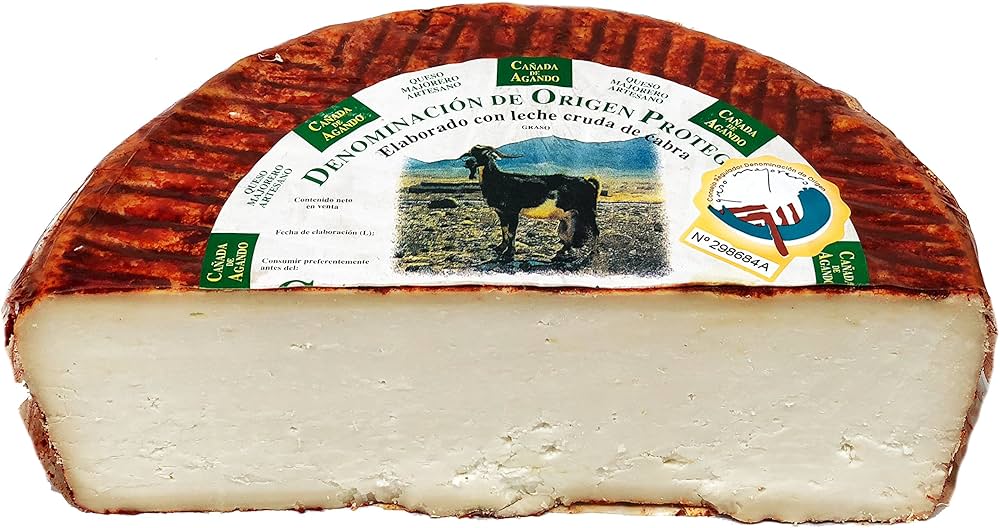
The Flavor that Defines an Island: Majorero Cheese
In Fuerteventura, goats not only roam freely among ravines and badlands; they are a vital part of the island's identity. With more goats than inhabitants, these animals give rise to one of the most emblematic products of the archipelago: the majorero cheese. Protected under the Protected Designation of Origin (PDO) Majorero Cheese, this delicacy is much more than food: it is history, climate, and tradition molded into each piece.
Roots in the Arid Land
The majorera goat, an indigenous breed of Fuerteventura, has adapted over centuries to the harsh conditions of the island environment. Its milk, rich in fats and proteins, possesses unique qualities that are directly transmitted to the cheese. Raised in freedom or semi-freedom, these goats feed on a wild flora consisting of salicornia, balillo, and other species resistant to salinity and drought— a diet that imparts unmistakable nuances to the final taste of the product.
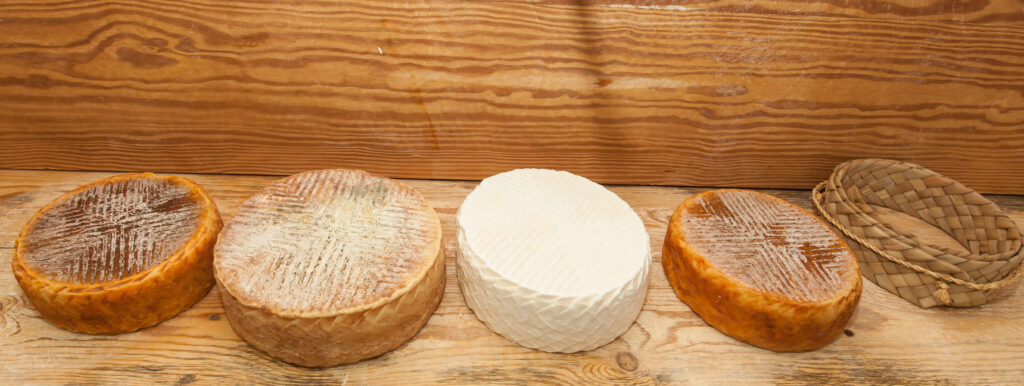
The production process respects ancestral methods: natural curdling, manual molding, and controlled maturation in caves or chambers with specific humidity. The result is a semi-hard cheese, slightly acidic when young, and with more complex, salty, and even spicy notes in aged versions.
An Award-Winning Cheese Worldwide
Majorero cheese not only delights those who taste it on the island; it has conquered international juries in European and global competitions. Its consistent quality, traceability, and connection to the territory make it a benchmark of gastronomic tourism in the Canary Islands. Many visitors plan specific routes to visit artisanal cheese factories, participate in guided tastings, or even observe traditional milking.
Where to Try It and How to Enjoy It
In Fuerteventura, majorero cheese is present in almost all local menus. It is served with red or green mojo, on rustic toasts, or as a star ingredient in dishes like salads with wrinkled potatoes or desserts with palm honey. Some wineries and guachinches pair it with volcanic malvasia wines, creating combinations that enhance its organoleptic qualities.
For a complete experience, it is recommended to visit some of the certified cheese factories in Betancuria, Antigua, or La Oliva. There, in addition to tasting different aging variations, one can learn about the production cycle, from caring for the herd to the final labeling under the PDO.
More than a Cheese: A Cultural Legacy
Majorero cheese represents the resilience of a community that has transformed scarcity into wealth. In an environment where water is scarce and the soil is poor, the inhabitants of Fuerteventura have learned to make intelligent and respectful use of natural resources. Today, this product not only sustains a sustainable local economy but also strengthens the Canarian cultural identity.
By tasting a piece of majorero cheese, not only do you savor an exceptional food; you connect with centuries of history, with the trade winds that caress the pastures, and with the know-how of generations that have turned goat's milk into the white gold of the Atlantic.