
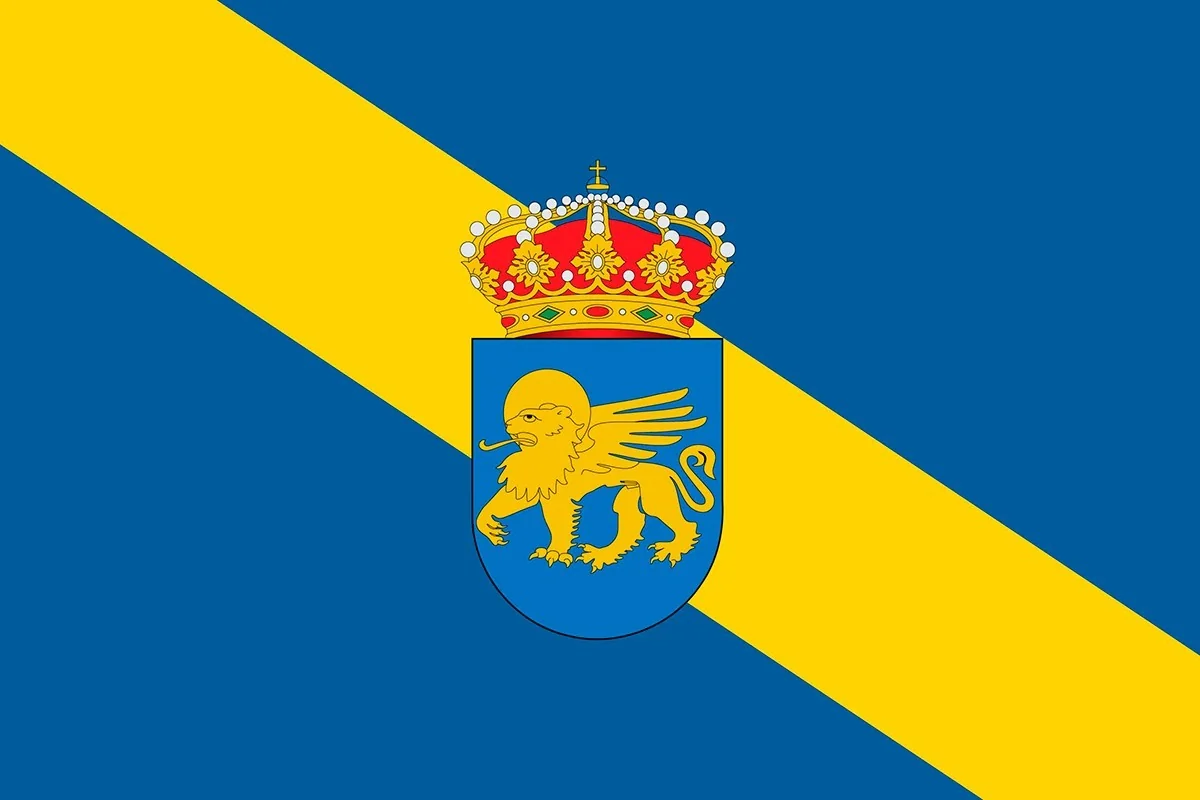
What to See in Agulo, La Gomera
The charming village facing Teide
Agulo La Gomera, the green balcony over the Atlantic
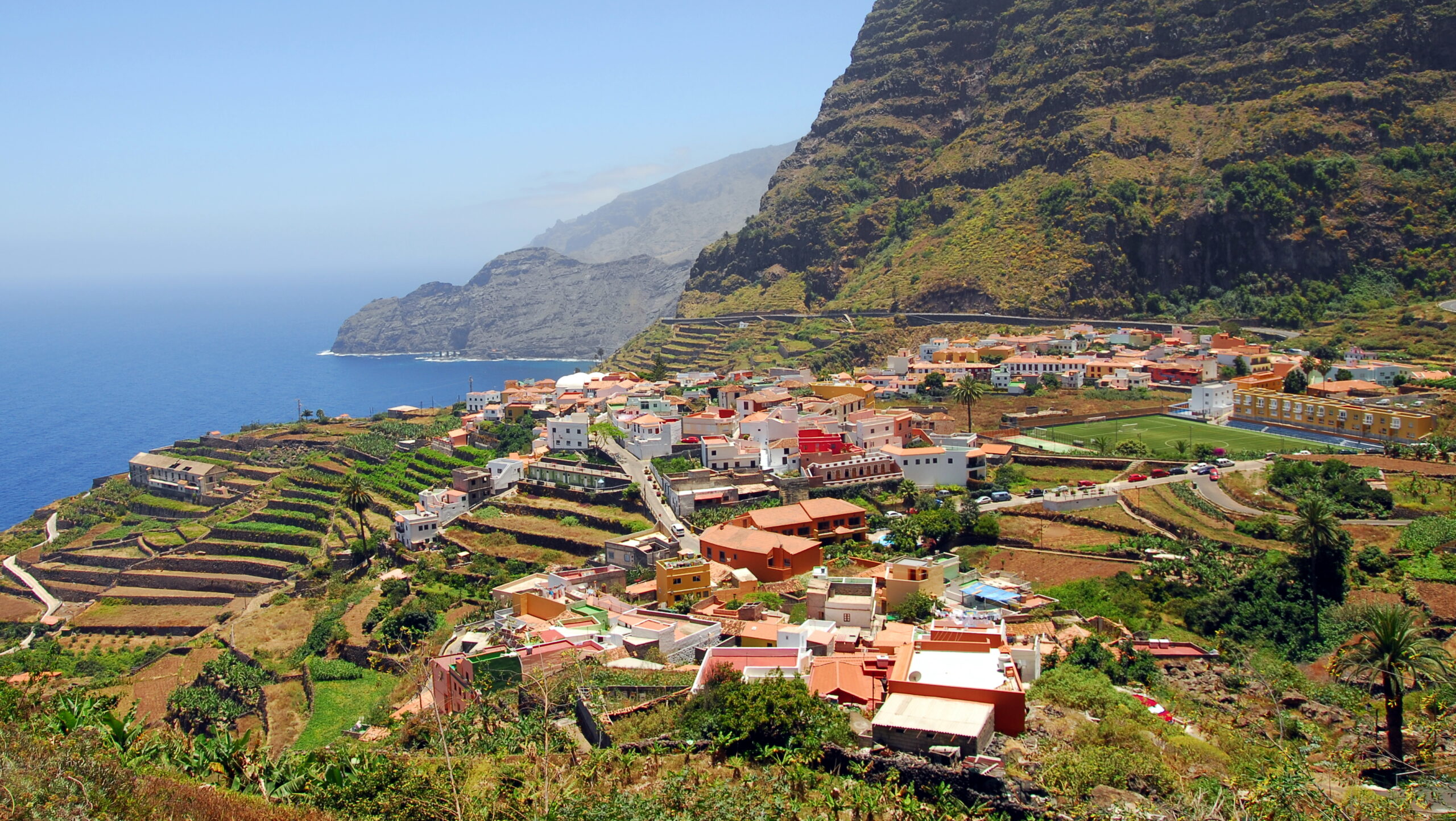
Agulo is the smallest municipality of La Gomera and one of the most beautiful in Canary Islands. Nestled on the northern coast of the island, at the foot of a great basalt wall, it forms a spectacular green balcony over the ocean with the Teide always present on the horizon. Founded in 1620 by colonists from Tenerife, its well-preserved historic center earned it entry in 2021 into the list of The Most Beautiful Villages in SpainYou can check the live cameras of La Gomera to check the weather in the island before visiting.
The historic center
The historic center of Agulo is divided into three neighborhoods: El Charco, Las Casas and La Montañeta. Its narrow cobblestone streets, the white houses with reddish roofs, and the self-sufficient gardens among the homes create an atmosphere that seems frozen in time. The Iglesia de San Marcos, in neogothic style, presides over the Leoncio Bento Square, the heart of the village and a meeting place for locals.
Strolling through Agulo at a leisurely pace is the best way to understand it. There are no grand monuments or reference museums, but every corner has its charm: a window with geraniums, an alley that opens to the sea, a banana grove next to a house wall. It is a village to savor slowly.
Mirador de Abrante
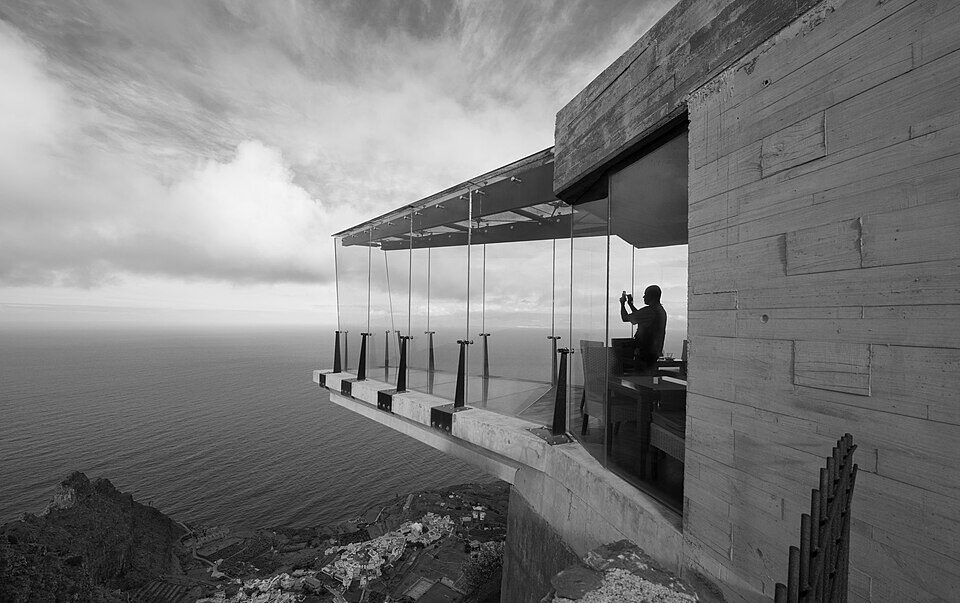
The Mirador de Abrante is the major tourist attraction of Agulo and one of the most spectacular viewpoints in Canary Islands. Situated more than 600 meters above the village, it features a seven-meter glass walkway that juts out from the cliff. From there, below your feet you see the village in miniature and in front, the profile of the Teide emerging from the ocean from Tenerife. It is one of the most photographed views in the entire archipelago.
The viewpoint is part of a restaurant, so you can combine the visit with a meal or coffee while enjoying the panorama.
Garajonay and the laurisilva
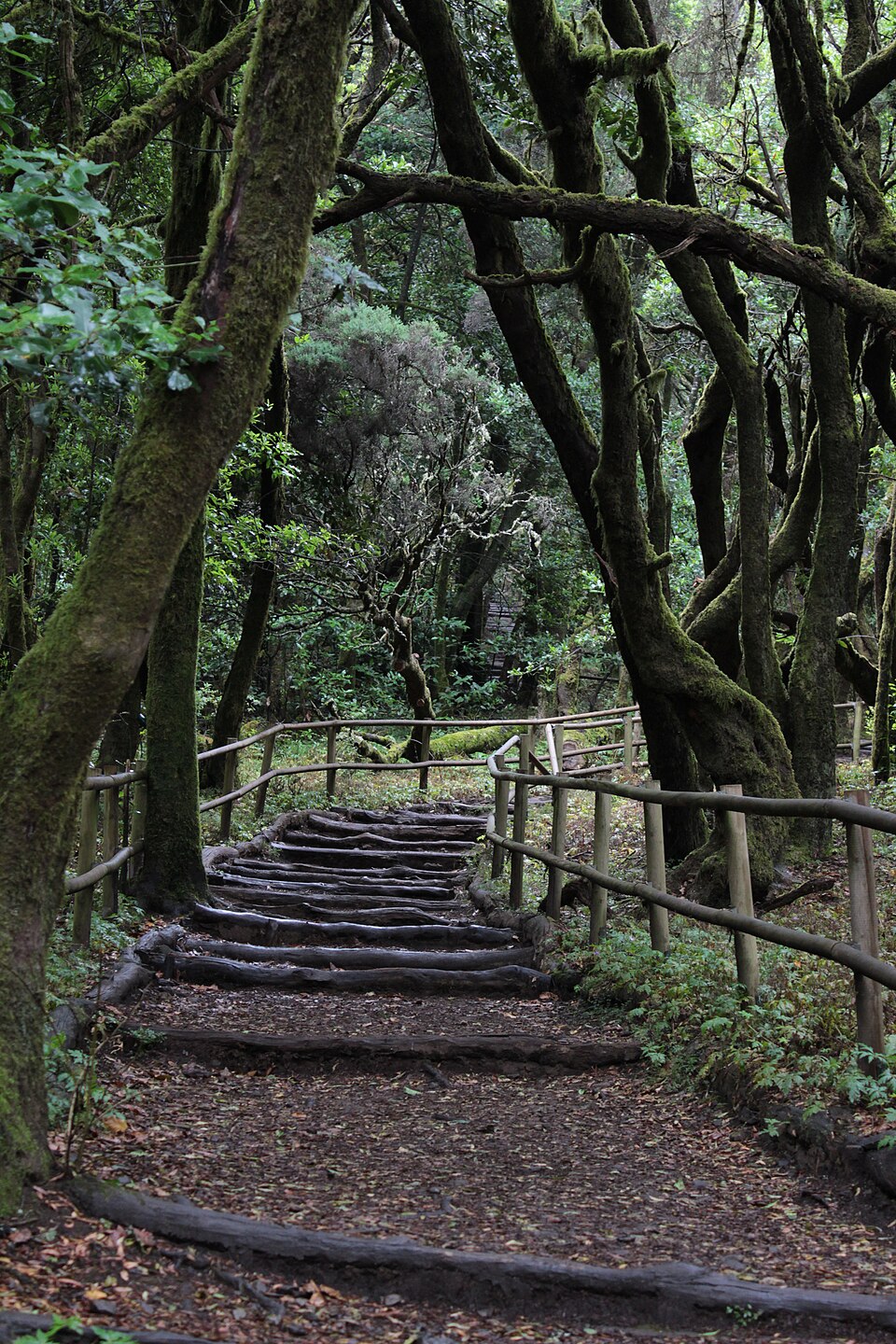
Agulo is the entrance to the Garajonay National Park, declared World Heritage by UNESCO. In the municipality of Agulo, specifically in the hamlet of La Palmita, is located Visitor Center of Juego de Bolas, an essential starting point to explore the park. The center offers exhibitions on laurisilva, geology, and Gomera culture, as well as detailed information on the trails.
The laurisilva is a humid forest from the Tertiary era, unique in the world, which covers the summits of La Gomera with dense and evergreen vegetation. Several marked routes depart from Agulo into the park, from short walks among streams and lagoons in Meriga to full-day hikes to the Alto de Garajonay.
Hiking
The municipality offers routes for all levels. The most popular one climbs from the village to the Mirador de Abrante passing by the Ermita de San Isidro Labrador, a circular route of about 11 kilometers. For those who prefer something shorter, the route through the ravine of La Palmita and the area of Meriga is a walk of about 40 minutes among laurisilva, streams, and lagoons.
The trail network of La Gomera (GR-131 and GR-132) connects Agulo with the rest of the island, allowing walks from the coast to the summits of the park in multi-day routes.
Cuisine in Agulo
The cuisine of Agulo is the traditional Gomera: honest, made with local produce, and unpretentious. The almagrote, cured cheese paste with spicy paprika, garlic, and oil, is the island's signature appetizer and must be present on the table. The watercress stew, the gofio escaldado, the wrinkled potatoes with mojo and rabbit or pork stews are the dishes you will find in the village taverns.
The recommended restaurants are Mirador de Abrante, with unique views of the village and Teide; La Vieja Escuela, cozy atmosphere and homemade cooking; and the Tasca Las Cruces, known for its cuttlefish and almagrote.
How to get to Agulo
Agulo is on the northern coast of La Gomera, about 24 kilometres from San Sebastián de La Gomera via the GM-1 road (approximately 35-40 minutes by car). It is the most comfortable option since the island's roads are mountainous and narrow.
By public transport, there are bus lines that connect Agulo with the capital and other villages on the island, although with limited schedules. It is advisable to check the updated schedules before planning your visit. To reach La Gomera from Tenerife, the ferry departs from the port of Los Cristianos to San Sebastián de La Gomera with several daily frequencies. Check the webcam map of La Gomera to help you navigate the island.
Frequently asked questions about Agulo La Gomera
Why do they call Agulo the "bonbon of La Gomera"?
Due to its undeniable charm: the village is nestled between cliffs and green valleys, with well-kept white houses, cobblestone streets, and views of the Teide. It is the smallest municipality on the island but one of the most beautiful in Canary Islands.
What is the Mirador de Abrante?
It is a seven-meter glass walkway that juts out from the cliff at over 600 meters altitude above Agulo. From it, you can see the village from a bird's eye view and the Teide in the background. It is one of the most spectacular viewpoints in the Canary Islands.
Is Agulo on the list of the Most Beautiful Villages in Spain?
Yes, Agulo was included in 2021 in the list of The Most Beautiful Villages in Spain, a recognition of the quality of its architectural and landscape heritage.
How to get to Agulo from Tenerife?
You should take the ferry from Los Cristianos to San Sebastián de La Gomera and from there about 35-40 minutes by car along the GM-1 road. It is advisable to rent a car at the port to get around the island.
What is almagrote?
The almagrote is the typical sauce of La Gomera, made with grated cured cheese, spicy paprika, garlic, and olive oil. It is served as a spread on bread and is one of the most representative flavors of Gomera cuisine.
What hiking routes depart from Agulo?
The most popular one goes up to the Mirador de Abrante passing by the Ermita de San Isidro (11 km, circular). There are also short routes through Meriga among laurisilva and streams, and access to the trail network GR-131 and GR-132 that spans all of La Gomera.