
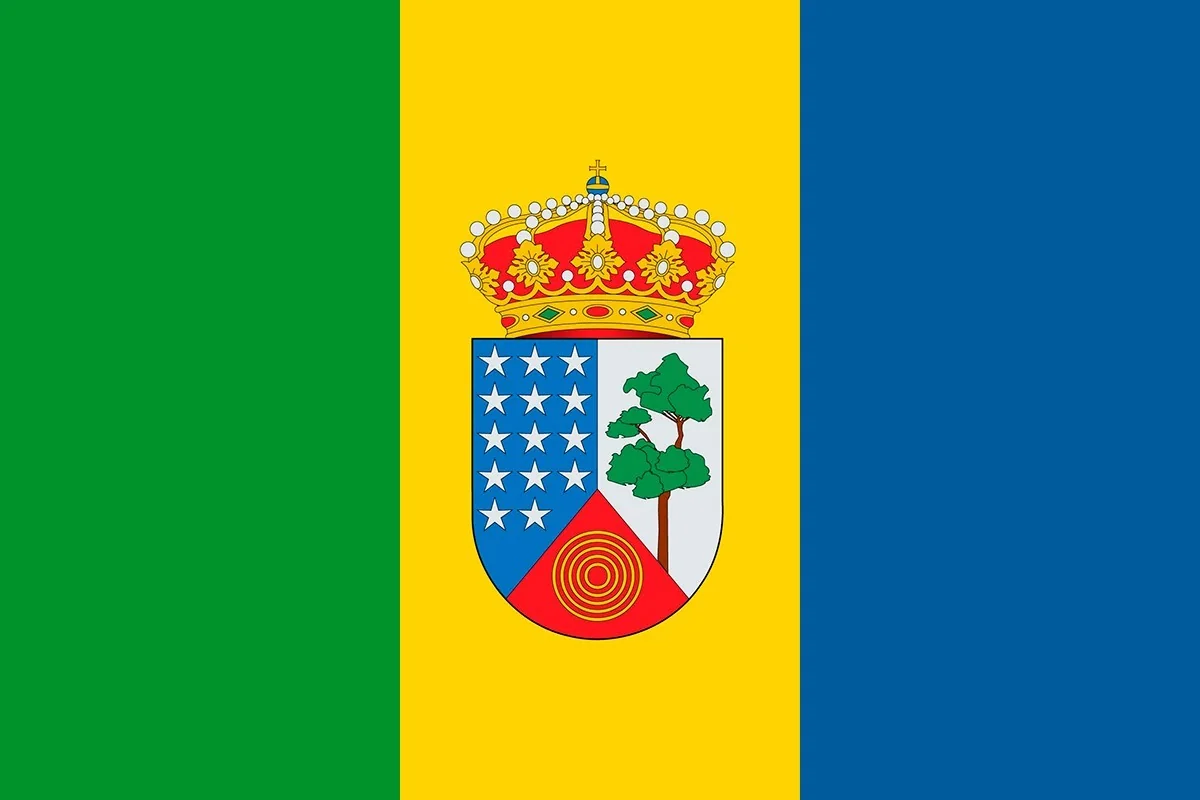
What to see in Garafía, La Palma
Roque de los Muchachos and the northern forests
Garafía La Palma, the municipality of stars and deep ravines
Garafía is the northernmost municipality in La Palma and one of the largest on the island. Its territory runs from the north coast — with cliffs up to 300 metres high — to the top of the Roque de los Muchachos, at 2,426 metres above sea level. Because of this, no other municipality holds so much landscape variety in so small a space. Its peak is also home to the Observatorio Astrofísico del Roque de los Muchachos, one of the best in the world. Check the Live cameras of La Palma and check the weather in real time.
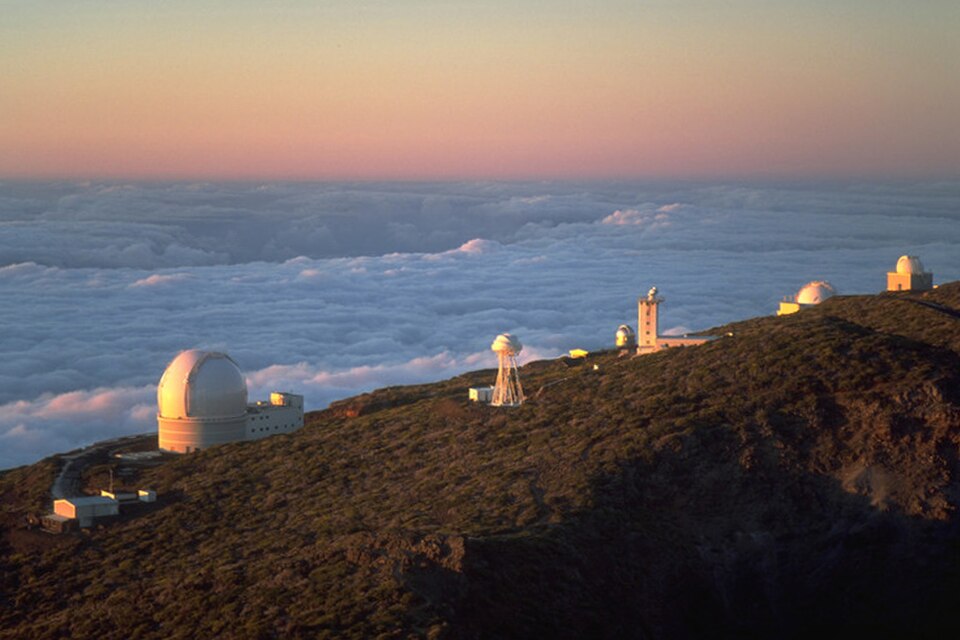
The Roque de los Muchachos and the observatory
The Roque de los Muchachos, at 2,426 metres above the sea, is the highest point in La Palma. From its peak you can see the sea on both coasts of the island at the same time. On clear days, you can also make out Tenerife, La Gomera and El Hierro on the horizon. In May, the tajinastes en flor cover the slopes in deep red alongside codesos and retamas. It is, for this reason, one of the most photographed natural spectacles on the island.
Atop the peak operates the Observatorio Astrofísico del Roque de los Muchachos, run by the Institute of Astrophysics of the Canary Islands. It brings together telescopes from more than twenty countries, including the Gran Telescopio Canarias, the largest optical telescope in the world. The Visitor Center, at the peak itself, opens Tuesday to Sunday from 10:00 to 16:00 in winter and until 17:00 in summer. Admission is free. Its rooms explain the Canary sky and how the great telescopes work.
La Zarza and the indigenous petroglyphs
The Parque Cultural de La Zarza y La Zarcita is the most important set of rock engravings in La Palma. The engravings were made by the benahoaritas, the island's indigenous people. It is believed the site was a sanctuary for rites related to water and fertility. The motifs are geometric: spirals, meanders and circles repeated across four rock panels.
The park sits at about 1,000 metres above sea level and is surrounded by a forest of pines and laurisilva. It has a visitor centre from which the trail to the engravings sets off. The visit takes between one and two hours. It is also one of the least crowded and most authentic places in the north of the island.
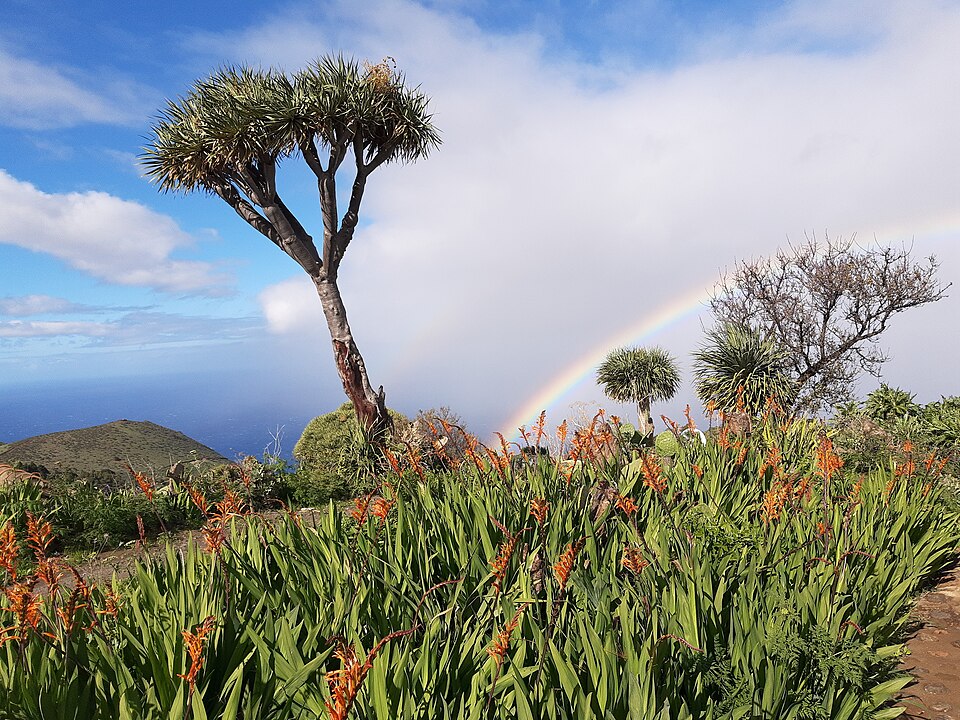
Las Tricias and the dragon trees of Buracas
The district of Las Tricias holds the largest number of Canary dragon trees of all La Palma. The dragon trees of Buracas are centuries-old specimens reached by a short trail from the district itself. The contrast between the dragon trees' silhouettes and the Atlantic blue in the background is one of the most sought-after images in the north of the island.
Las Tricias also preserves one of the municipality's most authentic atmospheres, with houses of traditional Canarian rural architecture and traditional windmills. In addition, the Museo de Interpretación del Gofio (MIGO)housed in one of the area's historic mills, explains the history of this staple of the Canarian diet.
El Tablado and the northern ravines
The district of El Tablado, between the ravines of Los Hombres and Fagundowas declared a Protected Landscape. Its stone houses, terraced gardens and the silence of the place give the feeling of being in another time. To get there you have to go down a track to the bottom of the ravine. This has kept the district free of mass tourism and preserved its character.
The coast of Garafía also has very special spots. The Puerto de Santo Domingo is reached in about 20 minutes on foot from a car park. Its natural pools are a reward for the effort. Meanwhile, the Fajana de los Franceses, at the foot of a 300-metre cliff, is an area of gardens and banana plantations by the sea, accessible only by four-wheel drive or on foot.
The tea wines of Garafía
Garafía produces some of the most singular wines in Canary Islands: the vinos de tea. Tea is the wood of the Canary pine, very resinous and fragrant. It is used to make the vessels in which the wine ferments and rests. The result is a smoky, intense white wine unlike any other. The Bodegas Perdomo, Vitega, El Níspero and Tagalguén are the municipality's benchmark wineries. Some offer tastings with prior booking.
Gastronomy in Garafía
The municipality's restaurants serve country-style Palma cuisine: wrinkled potatoes with mojo, artisan goat cheeses, grilled meats and vegetable stews. In addition, the Venta de La Garza in El Tablado is a highly rated stop. It opens Saturdays and Sundays with a set menu of vegetables from its own garden and homemade cakes. The atmosphere is that of an authentic rural venta from another era. On other days, a visit requires prior booking for groups.
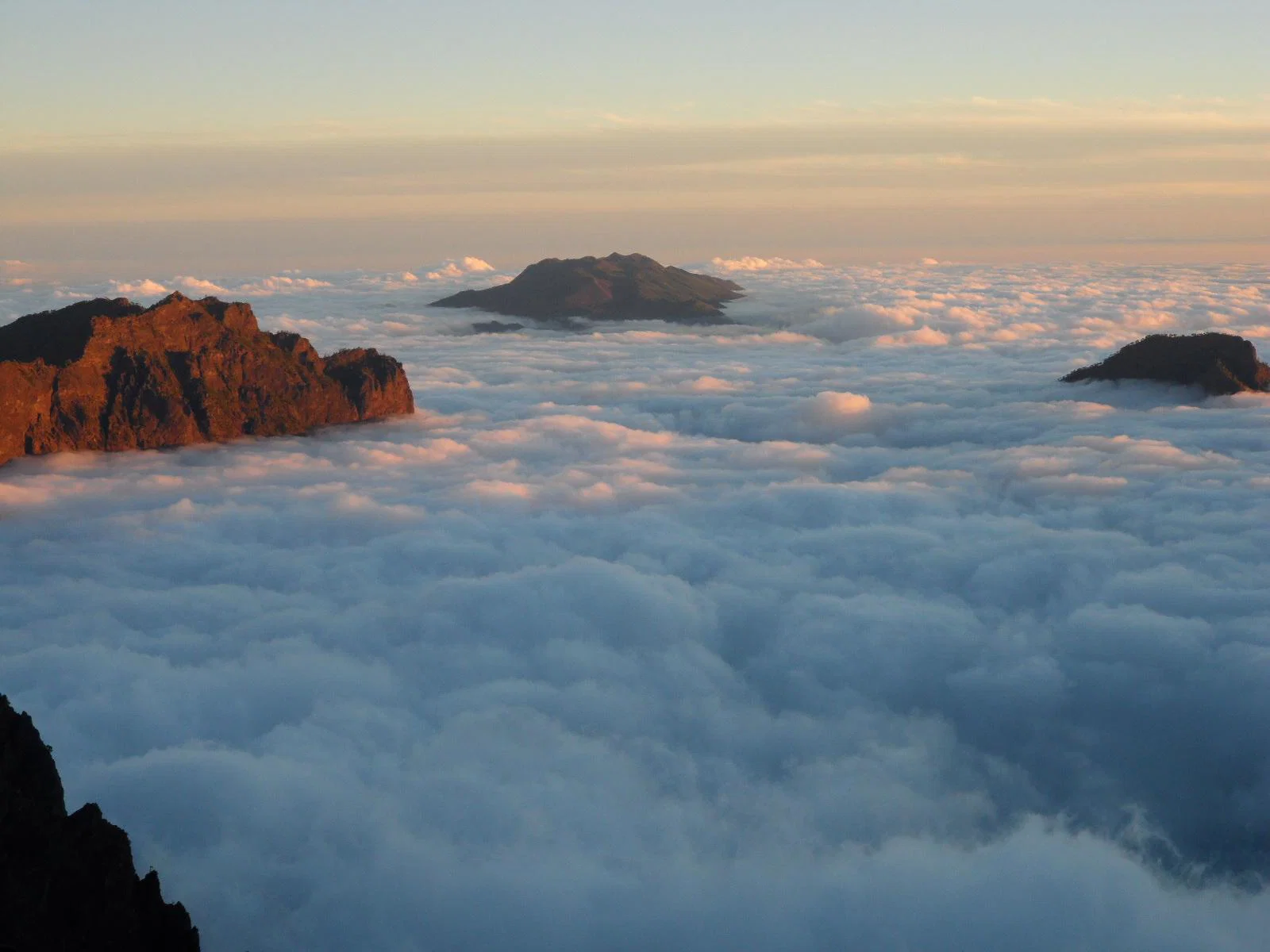
How to get to Garafía
Garafía is in the north of La Palma, about two hours by car from Santa Cruz de La Palma via the northern roads, which are narrow with many bends. From Puntagorda to the south it's about 20 kilometres. Access to the Roque de los Muchachos is via the LP-4 road from the Hoya Grandedistrict, in the municipality. A private car is recommended for visiting the municipality, as its districts and points of interest are spread across a very large territory and public transport is very limited. Also check the Live cameras of La Palma to help you navigate the island.
Frequently asked questions about Garafía La Palma
How do you visit the Observatorio del Roque de los Muchachos?
The Centro de Visitantes del Roque de los Muchachos opens Tuesday to Sunday, from 10:00 to 16:00 in winter and until 17:00 in summer. Admission is free. To visit the observatory's telescopes, check the guided tours on the website of the Instituto de Astrofísica de Canarias (IAC). Access to the Roque is via the LP-4 road from the municipality of Garafía.
What are the petroglyphs of La Zarza?
They are rock engravings made by the benahoaritas, the aborigines of La Palma, in the Parque Cultural de La Zarza y La Zarcita. Their geometric motifs — spirals, meanders and circles — repeat across four basalt rock panels. It is the most important set of engravings in La Palma and one of the most significant in Canary Islands.
What are the tea wines of Garafía?
They are wines made and aged in vessels of tea pine — the Canary pine — which give the wine a very intense smoky, resinous flavour. They are unlike any other wine in the world. The Perdomo, Vitega, El Níspero and Tagalguén wineries are the main ones in the municipality.
How do you get to El Tablado in Garafía?
El Tablado sits between the ravines of Los Hombres and Fagundo. It's reached via a track that descends to the bottom of the ravine. It is a Protected Landscape with stone houses and terraced gardens. The Venta de La Garza, in the district, opens Saturdays and Sundays with a set menu of vegetables from the garden.
Where are the dragon trees of Las Tricias?
The dragon trees of Buracas are in the district of Las Tricias, accessible via a short trail from the district itself. They are centuries-old specimens surrounded by farming terraces with views of the Atlantic. Las Tricias also holds the highest density of Canary dragon trees in all of La Palma.
How long does it take to get to Garafía from Santa Cruz de La Palma?
The journey takes approximately two hours by car via the island's northern roads, which are narrow with many bends. It's recommended to allow enough time and to think in terms of actual driving time rather than distance in kilometres.