
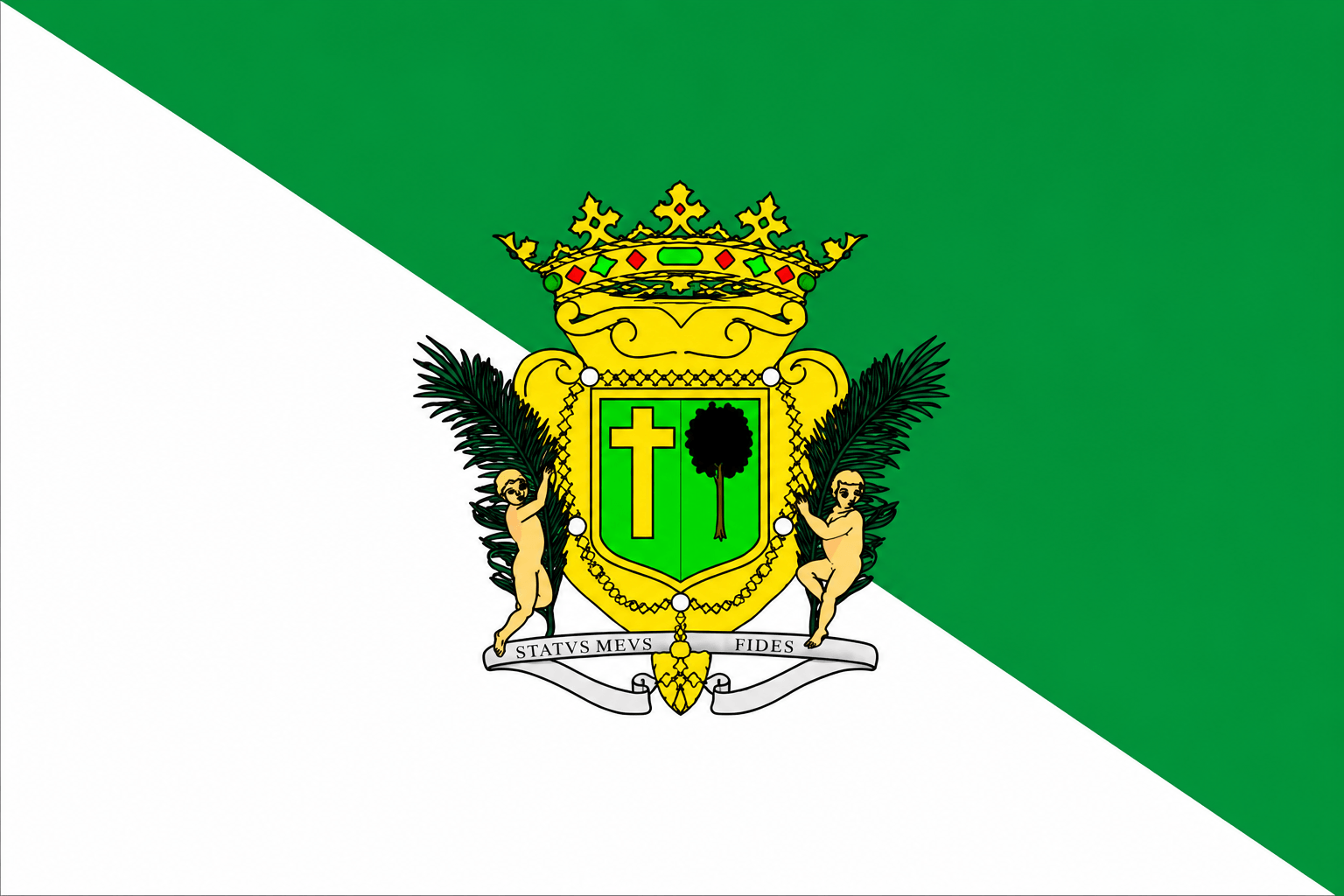
What to see in Santa Brígida, Gran Canaria
Caldera de Bandama, vineyards and the midlands
Santa Brígida Gran Canaria, the wine town among volcanoes and palm trees
Santa Brígida is one of the quietest and greenest municipalities in the interior of Gran Canaria. Just 14 kilometers from Las Palmas, it currently functions as a residential area of the metropolitan area, but it retains the character of a medianías town with centuries of viticultural history. Its indigenous name was Sataute — origin of the toponym of the Satautejo Palm Grove — and the first colonial settlements began in the 16th century. Today, the Casa del Vino, the Caldera de Bandama and a charming historic center are the main reasons to visit. Check the webcams of Gran Canaria and check the weather before visiting.
The Wine House and the wines of Monte Lentiscal
The Wine House of Gran Canaria is the reference for island wine tourism and is located in the heart of the historic center of Santa Brígida. It occupies a restored Canarian mansion that is over two centuries old, where the Cabildo established the museum and tasting point for the island's wines. Inside, an old winery is replicated with tools, panels, and videos explaining the winemaking history of Gran Canaria. The shop sells the best wines from the island's designation of origin, and the Tasca del Vino serves Canarian cuisine with pairings. Entry to the museum is free and opens Monday to Friday from 10:00 AM to 2:00 PM.
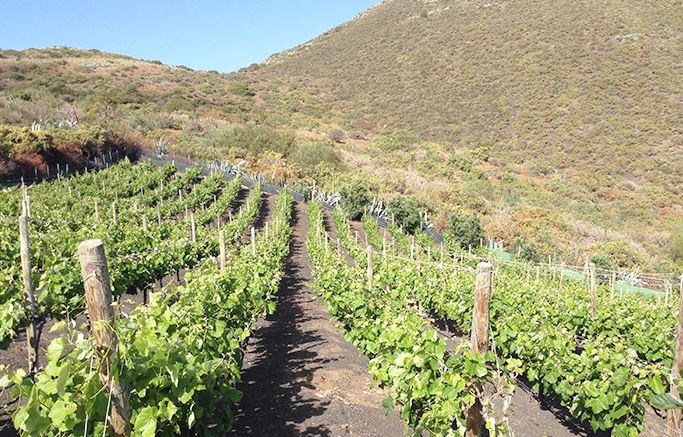
The microclimate of Santa Brígida — influenced by the trade winds, periodic rains, and fertile volcanic soil of the Monte Lentiscal — creates ideal conditions for the vine. Therefore, the area produces some of the island's most valued wines, red wines from Listán Negra and Baboso Negro, and whites from Listán Blanca and MalvasíaThe D.O. Monte Lentiscal, obtained in 1999, was later integrated into the D.O. Gran Canaria in 2005, maintaining the mention on the label.
The Bandama Caldera
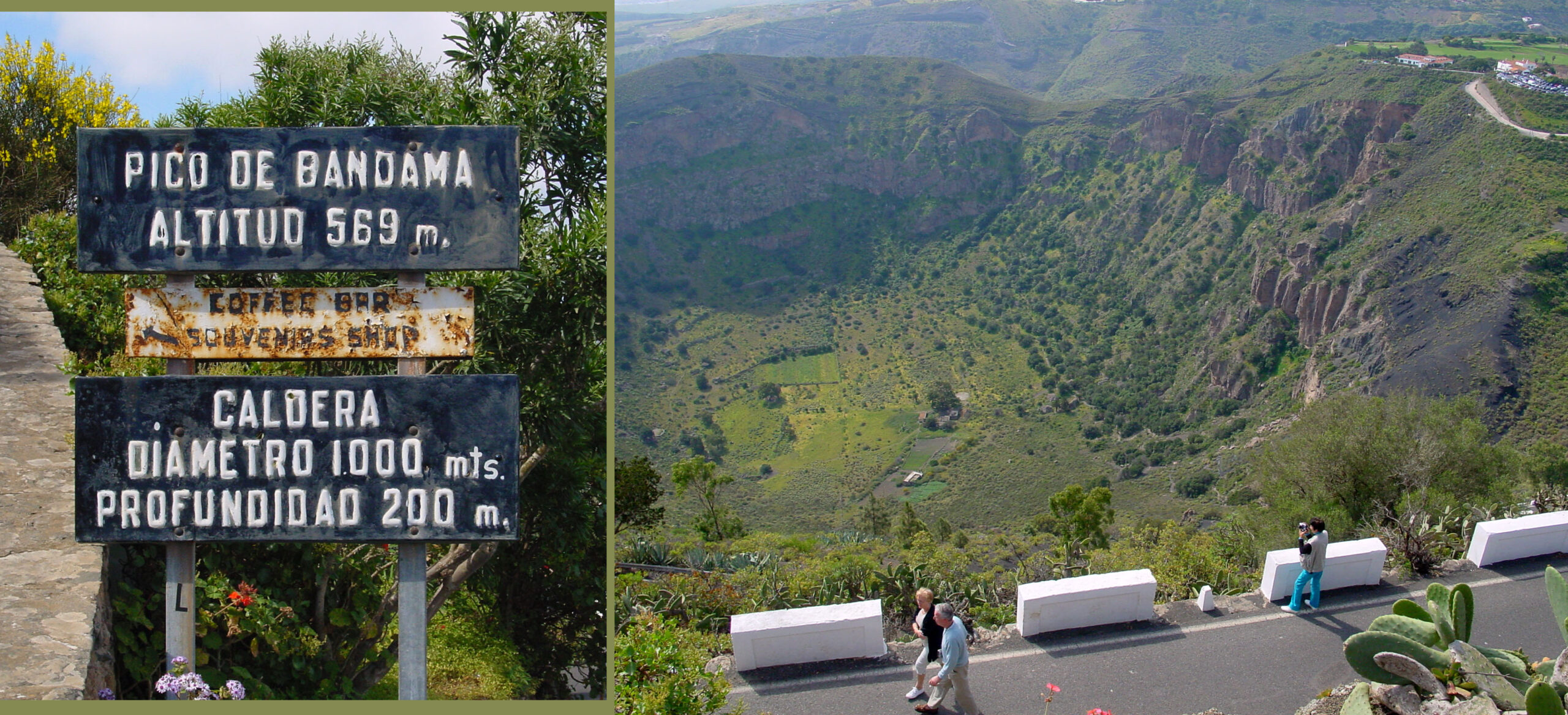
The Caldera de Bandama is the most impressive natural space in the municipality and one of the most visited volcanoes in Gran Canaria. With 216 meters deep and about 1,100 meters in diameter, it was formed by a volcanic collapse and its name comes from the Flemish trader Daniel Van Damme, who was the first to cultivate vineyards inside in the 17th century. Today, at the bottom of the caldera lives a family that continues to cultivate the land, and access inside is via a 3-kilometer round trip trail.
Since the Pico de Bandama, at 569 meters high and just 5 minutes by car from the caldera, provides one of the most complete views of the northeast of Gran Canaria: the caldera itself at the foot, Las Palmas de Gran Canaria, the ocean, and on clear days, Tenerife in the distance. Additionally, on the northern wall of the caldera is the Cueva de los Canarios, an aboriginal granary with Libyan-Berber inscriptions.
The historic center and the Satautejo Palm Grove
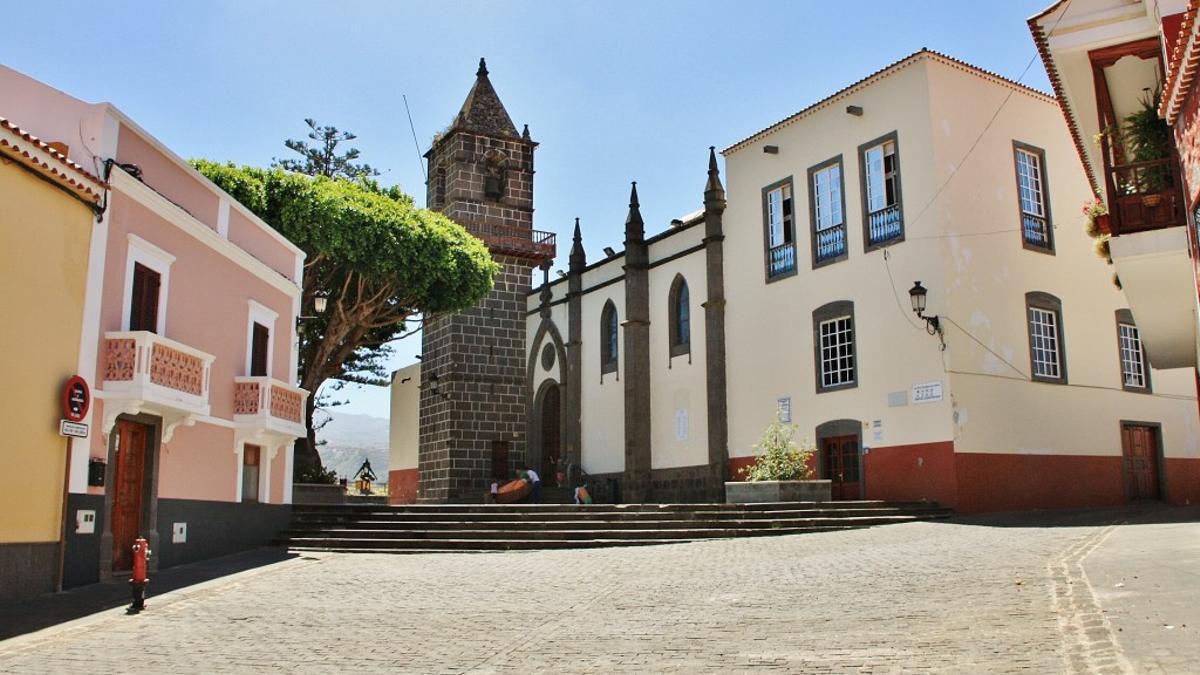
The historic center of Santa Brígida was declared Cultural Heritage of Interest in 2011. It sits at the edge of the Guiniguada ravine and preserves colonial houses from the 18th and 19th centuries with wooden balconies typical of Canarian architecture. The Parish Church, whose first hermitage dates back to 1525, suffered a fire in 1897 that destroyed the entire building except for the tower. The reconstruction gave it the neo-Gothic appearance it has today.
The Satautejo Palm Grove, next to the ravine, recalls the indigenous name of the municipality and is part of the Agricultural Park of Guiniguada. Its palm trees, gardens, and restored wells create an environment of fertile valley very different from the urban landscape surrounding the municipality. Therefore, it is one of the most pleasant places to walk in Santa Brígida.
The Wine Route and the guachinches
The Santa Brígida Wine Route is a tour of the wineries, wine cellars, and vineyards of the Monte Lentiscal. The seven historic wineries in the area are the first stop, next to traditional mansions from the 19th century that were once the economic engine of the municipality. Additionally, several guachinches of the municipality offer their own harvest wine with Canarian cuisine made from local products during the winter months. The atmosphere of these family-run establishments in a setting of vineyards and ravines is hard to find in any other municipality in the north of the island.
Gastronomy in Santa Brígida
The cuisine of Santa Brígida combines the tradition of the interior with local wine. The restaurants in the municipality serve wrinkled potatoes with mojo, ropa vieja (shredded beef stew), grilled meats, and vegetable stews. The Casa del Vino also has its own tasca with zero-kilometer Canarian cuisine paired with wines from the designation of origin. The municipal market — next to the Wine House, on weekends — offers fruits, vegetables, honey, cheeses, and pastries made with local honey and almonds.
How to get to Santa Brígida
Santa Brígida is about 14 kilometres of Las Palmas de Gran Canaria via the GC-15 road (approximately 20-25 minutes by car). For the Caldera de Bandama access is made from the roundabout of Monte Lentiscal via the GC-802 road. By public transport, the 301 line and others from Global connect Las Palmas to Santa Brígida with frequent departures. Check also the map of the municipalities of Gran Canaria to help you navigate the island.
Frequently asked questions about Santa Brígida Gran Canaria
What is the Wine House of Gran Canaria?
It is the museum and tasting center for the wines of Gran Canaria, located in an 18th-century Canarian mansion in the historic center of Santa Brígida. It houses a reproduction of an old winery, a D.O. wine shop, and the Tasca del Vino with Canarian cuisine. Entry to the museum is free and it is open Monday to Friday from 10:00 AM to 2:00 PM.
What is the Bandama Caldera?
It is a volcano of 216 meters deep and 1,100 meters in diameter in the term of Santa Brígida. Its name comes from the Flemish trader Daniel Van Damme. You can descend inside via a trail of about 3 kilometers. From the Pico de Bandama, at 569 meters, the views over the northeast of Gran Canaria are extraordinary.
What wines are produced in Santa Brígida?
The wines from Monte Lentiscal, now under the D.O. Gran Canaria, are reds made from Listán Negra and Baboso Negro and whites made from Listán Blanca and Malvasía. The volcanic soil and the region's cool microclimate give them a very distinct personality. They can be purchased at the Casa del Vino and directly from the wineries in the municipality.
What is the Satautejo Palm Grove?
It is a historical palm grove next to the Guiniguada ravine that retains the indigenous name of the municipality — Sataute — and is part of the Agricultural Park of Guiniguada. With restored gardens and wells, it is one of the quietest spots in the town center of Santa Brígida.
When is the Santa Brígida market?
The municipal market operates on the weekends next to the Wine House. It offers fruits, vegetables, honey, cheeses, and pastries made with local honey and almonds from the municipality and neighboring municipalities.
How to get to Santa Brígida from Las Palmas de Gran Canaria?
It is about 14 kilometers via the GC-15 road, taking 20 to 25 minutes by car. By bus, the 301 line Global connects Las Palmas with Santa Brígida with frequent departures throughout the day.