
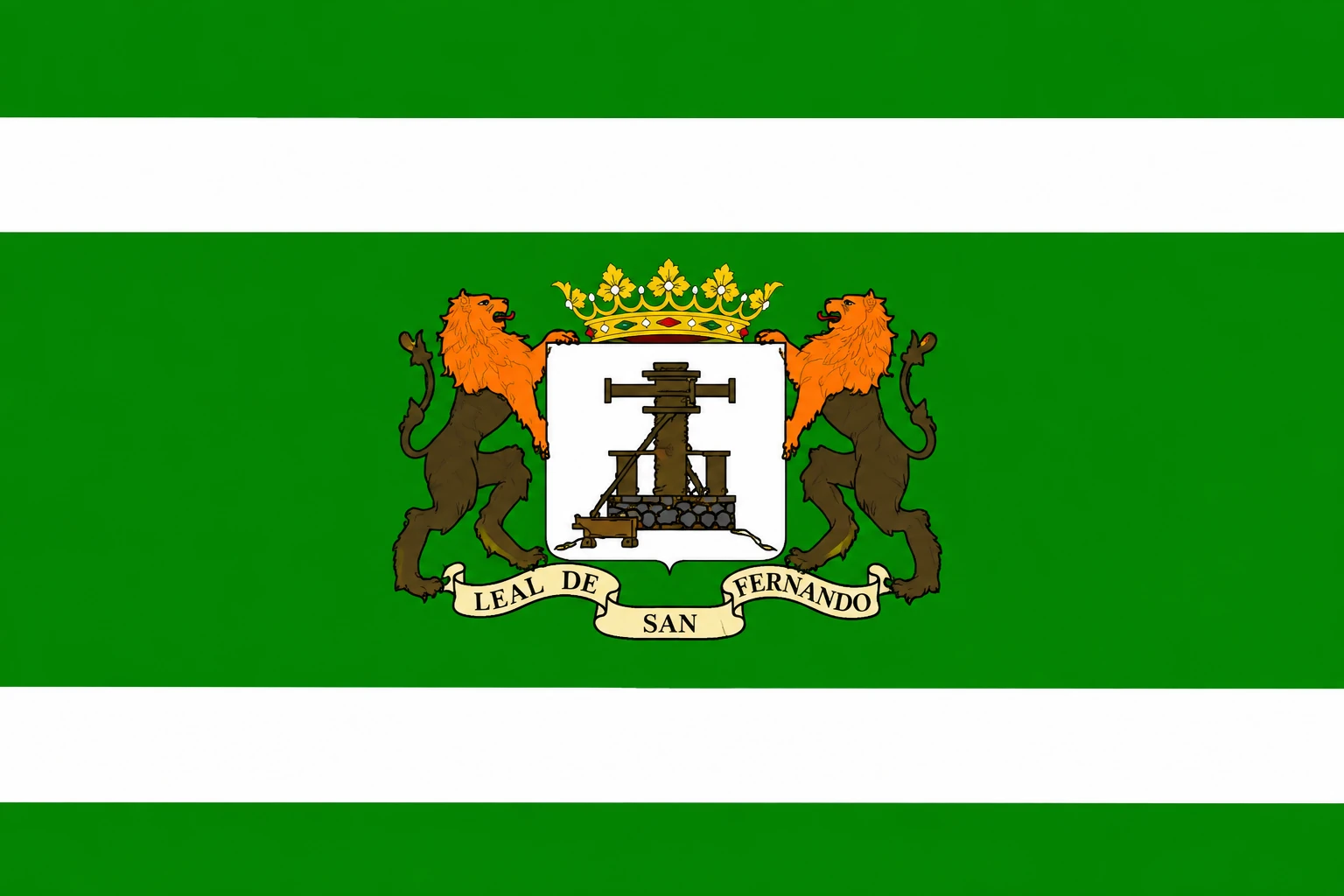
What to see in Ingenio, Gran Canaria
Ravines, crafts and a cutwork embroidery tradition
Ingenio Gran Canaria, the craft capital of Canarian calados
Ingenio is the quintessential craft municipality of Gran Canaria and the only place in the province where Canary lace textiles are still made using the traditional technique. The village's name comes from the sugar mill built in the 16th century to refine the sugar cane grown in the area. Today, the cane plantations are history, replaced by tomatoes and textile craftwork. Ingenio is also the municipality home to the Gran Canaria airport, which makes it the first place visitors set foot in when arriving on the island. Check the webcams of Gran Canaria and check the weather before visiting.
Canarian calados and craftwork
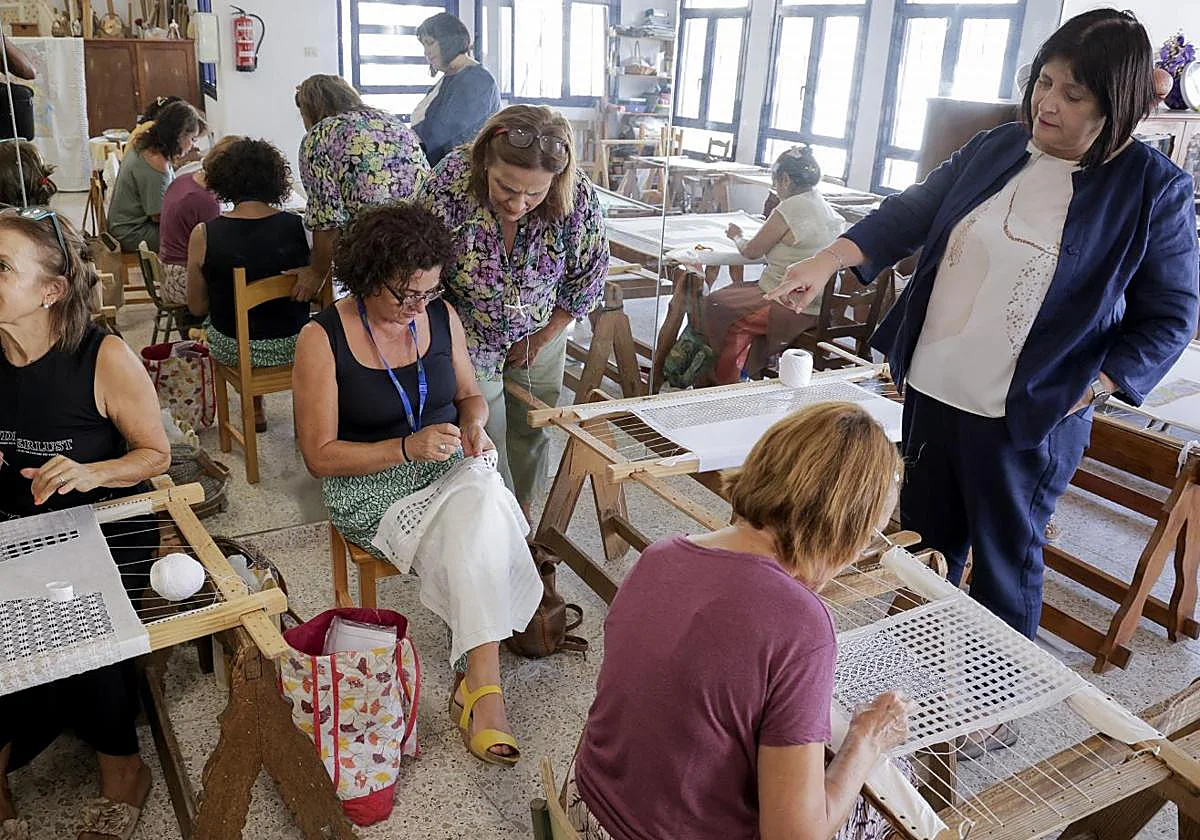
The Canary lace textiles are embroidery made by cutting threads from the fabric to create highly delicate geometric patterns. Ingenio has for centuries been the production centre of this textile craft, made by women in the home until the late 19th century. Today, the tradition is still alive thanks to the Taller Municipal de Artesanía and the Asociación de Caladoras de La Villa de Ingenio, which keep the looms and hand embroidery active.
The Taller Municipal opens its doors to visitors to show the production process live. The municipality has also taken things further by creating Moda Calada, a contemporary fashion line that applies traditional calado to designer garments. The Moda Calada fashion shows have become one of the most original events on the cultural calendar of the southeast of Gran Canaria. At the municipality's workshops and shops you can buy calados, traperas, blankets, bedspreads and locally made ceramics.
The Museo de Piedra y Artesanía Canaria
The Museo de Piedra y Artesanía Canaria occupies a mansion of typical Canarian architecture and has been open since 1964. Inside it displays more than 5,000 stones of various kinds — olivines, quartz geodes, fossils, crystals — from Africa and the islands. Alongside the mineral collection, the museum holds old farming tools, traditional ceramic pieces and a permanent exhibition of calados of various colours and shapes. It is also one of the most highly rated visits in the southeast of the island for its unique character.
Next to the museum is the embroidery school, where visitors can watch calado pieces being made in real time. Visiting hours are Monday to Saturday from 9:00 to 18:00.
The Barranco de Guayadeque
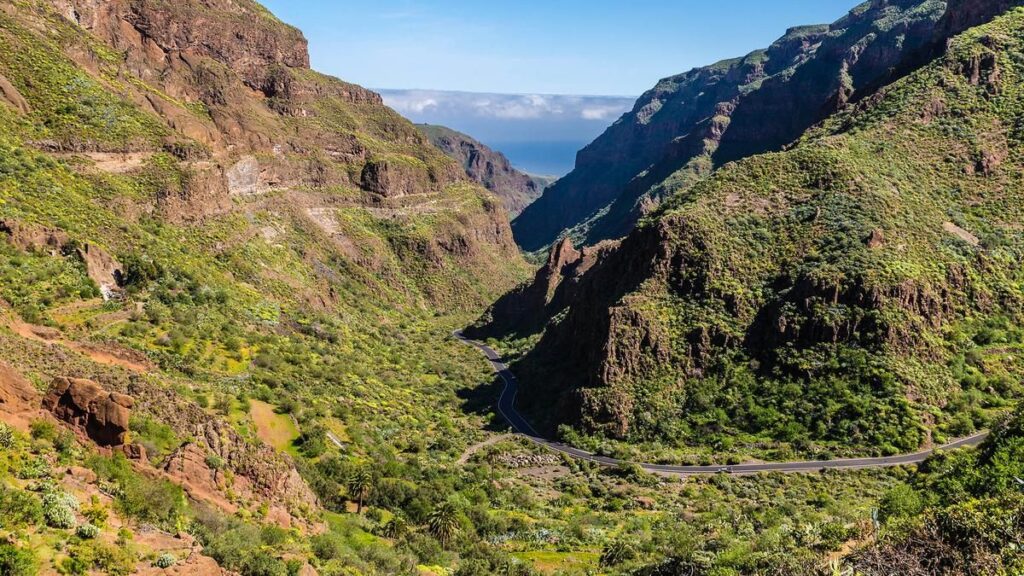
The Guayadeque Ravine is the municipality's most important natural area and one of the most distinctive on Gran CanariaDeclared a Natural Monument and Cultural Heritage of Interest, it shares its territory with the neighbouring municipality of Agüimes. Its walls hold caves inhabited since indigenous times, and its floor preserves one of the best-preserved gallery-forest ecosystems in the southeast of the island.
The ravine's most distinctive feature is its restaurants carved into the rock, where traditional Canarian food is served in a completely unique setting. Some of them are also inhabited cave houses. The Guayadeque Interpretation Center is also the starting point for understanding the ravine's biodiversity and history, with its 68 native plant species and the area's endemic wildlife.
The historic centre and the Museo del Agua y del Azúcar
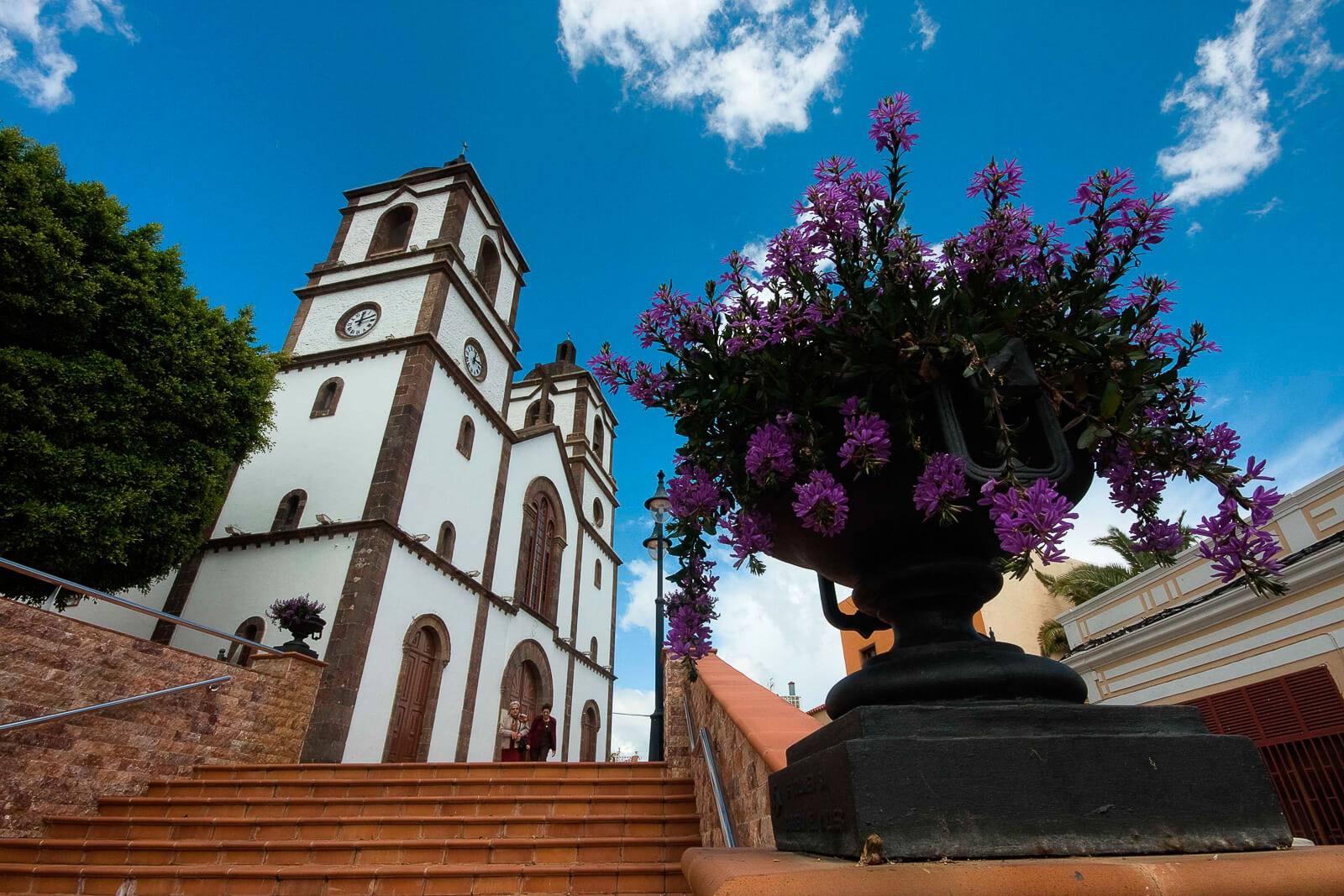
The historic center of Ingenio brings together several points of interest within a few minutes' walk. The Plaza de la Candelaria is the heart of the village, with the Iglesia de Nuestra Señora de la Candelaria — built in 1901 on the remains of an earlier hermitage — and the City Council. The church's bells were donated in 1820 by Canarian emigrants in Cuba, a symbol of the municipality's historic ties with the Americas.
The Ruta de los Molinos de Agua runs through the historic centre, passing by the old mills that gave the municipality life for centuries. The Casa del Reloj — seat of the Heredad Acequia Real de Aguatona — is another building of interest: here farmers historically set their irrigation turns by the heredad's clock. The Museo del Agua y del Azúcar rounds out the tour with the municipality's history from the sugar era to today.
El Burrero and the coast
The coast of Ingenio is next to the Gran Canaria airport and has a very different character from the municipality's interior. The Playa del Burrero is the best-known swimming spot, declared an Área de Sensibilidad Ecológica and Natural Monument. Its seabeds preserve notable biodiversity and the beach keeps a local, relaxed feel, away from the major tourist circuits in the south of the island. It is also a popular destination for surfers and water sports enthusiasts.
Gastronomy in Ingenio
The cuisine of Ingenio combines fish and seafood from the coast with grilled meats and cheeses from inland. The municipality's restaurants serve wrinkled potatoes with mojo, stews, fresh and cured cheeses and homemade pastries from local bakeries. The cave restaurants of Guayadeque Ravine are the most original option: traditional Canarian cuisine served inside the rock, with an atmosphere found nowhere else on the island.
How to get to Ingenio
Ingenio is about 23 kilometres of Las Palmas de Gran Canaria via the GC-1 motorway (approximately 20-25 minutes by car). The Gran Canaria airport is within the municipal boundaries, making Ingenio one of the island's most common arrival points. By public transport, line 11 Global connects Las Palmas with Ingenio and Agüimes with frequent departures. Also check the map of the municipalities of Gran Canaria to help you navigate the island.
Frequently asked questions about Ingenio Gran Canaria
What are the Canarian calados of Ingenio?
The Canary lace textiles are handmade embroidery made by cutting threads from the fabric to create highly delicate geometric patterns. Ingenio is the only place in the province of Las Palmas where they are still made using the traditional technique. The Taller Municipal de Artesanía and the Asociación de Caladoras keep the tradition alive with demonstrations open to the public.
What is the Museo de Piedra y Artesanía Canaria?
It is a mansion of typical Canarian architecture, open since 1964. It houses more than 5,000 stones and minerals from Africa and the islands, alongside ceramic pieces, farming tools and a permanent exhibition of calados. It includes an embroidery school with live demonstrations. It opens Monday to Saturday from 9:00 to 18:00.
What is the Guayadeque Ravine?
It is a ravine declared a Natural Monument and Cultural Heritage of Interest, shared with the municipality of Agüimes. It has caves inhabited since indigenous times, restaurants carved into the rock and native flora of great value. The Interpretation Center explains its history and biodiversity.
Why is it called Ingenio?
The name comes from the sugar mill built in the 16th century to refine the sugar cane grown in the area. Sugar processing was the municipality's economic engine until the crop disappeared. Remains of the cane presses still stand today in the east of the municipality.
Is the Gran Canaria airport in Ingenio?
Yes. The Gran Canaria airport sits on the border between Ingenio and the neighbouring municipality of Telde. That's why Ingenio is one of the first municipalities visitors set foot in when arriving on the island.
How do you get to Ingenio from Las Palmas de Gran Canaria?
It's about 23 kilometres via the GC-1 motorway, between 20 and 25 minutes by car. By bus, line 11 Global connects Las Palmas with Ingenio and Agüimes with frequent departures throughout the day.