

What to see in La Guancha, Tenerife
A northern village between pine forests and the sea
La Guancha Tenerife, wines and pools in the northern part of the island
La Guancha is a small and peaceful municipality in the north of Tenerife, located between Icod de los Vinos and San Juan de la Rambla, about 500 meters above sea level. Although its size is modest, it hides two compelling reasons to visit: the Charco del Viento, one of the most popular natural pools in the north of the island, and some of the most awarded wineries in Canary Islands. Additionally, its name has a history that predates the conquest: according to tradition, the Castilians named the place Fuente de La Guancha in honor of an aboriginal woman who jumped into the ravine before being captured. You can check the live cameras in Tenerife for the state of weather in the northern part of the island.

Charco del Viento
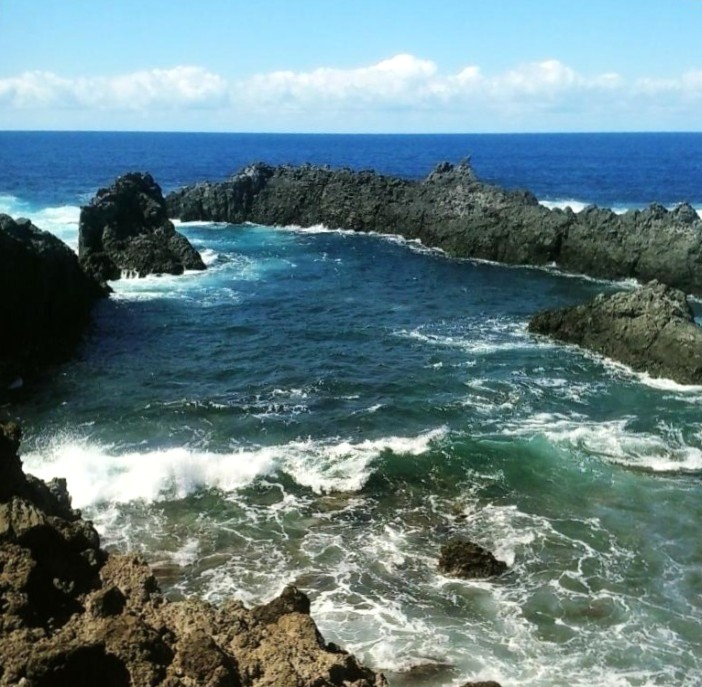
The Charco del Viento is the main coastal attraction of La Guancha and one of the most famous and frequented natural pools in northern Tenerife. It was formed by the action of ancient volcanic lava flows that solidified upon reaching the sea, creating two natural breakwaters that protect the bay from the Atlantic waves. The result is four pools of different sizes and depths — one suitable for children — with crystal-clear waters that vary between deep blue and emerald green depending on the light.
In addition to its swimming conditions, the place offers direct views of the Teide on clear days and was praised by César Manrique during his visit to the municipality in 1986. Access is easy: from the TF-5, take the exit marked to the neighborhood of Santa Catalina, passing through banana plantations to a designated parking area. Thus, it is advisable to arrive early on weekends and during high season, as traffic can be heavy. The other coasts of the municipality — the Charco de la Arena, the Charco Verde and the Charco de Santo Domingo — are quieter options but harder to access.
The wineries and wines of the north
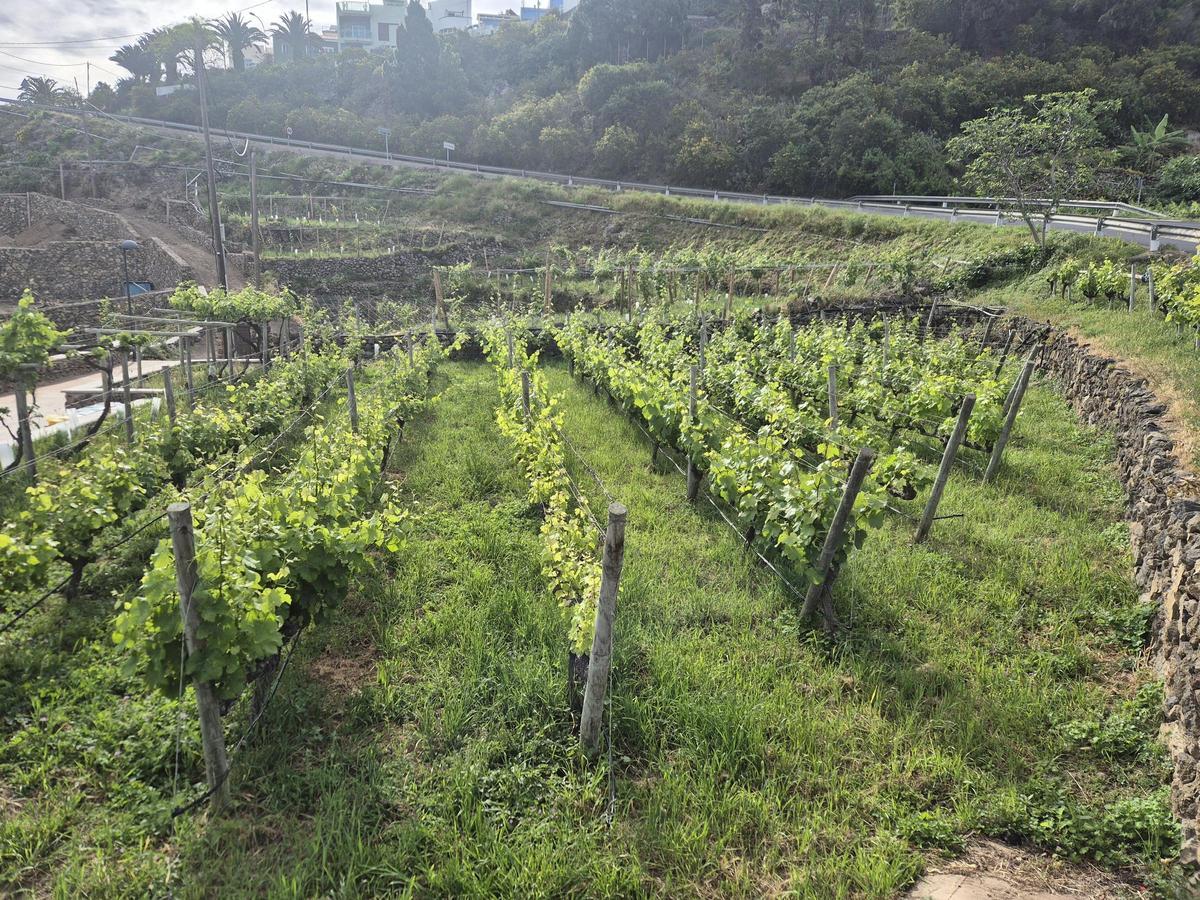
La Guancha is one of the most important wine municipalities in the north of Tenerife. In its territory, some of the most recognized wines in Canary Islandsare produced using native grapes, with numerous international awards. The three key wineries are Viñátigo, Viña Zanata and Viñamonte, each offering a vastly different experience.
Viñátigo is the most well-known nationally and internationally, especially recognized for the recovery of nearly extinct indigenous varieties from Canary Islands. Viña Zanata. On the other hand, it is a small family winery located in a typical Canary house with an interior patio, where the artisan atmosphere and direct interaction with the producer are part of the experience. Additionally, the variety of styles — whites, reds, malvasías, and rosés — allows pairing with any dish of local cuisine.
The historical heritage and the Cueva del Guanche
The centre of La Guancha preserve a remarkable religious heritage for its size: the Church of Santo Domingo de Guzmán and several hermitages — Santa Catalina, San Lucas, El Calvario — scattered throughout the different neighborhoods of the municipality. The whole creates an authentic northern village atmosphere with quiet squares and cobbled streets.
Moreover, the municipality maintains a direct link to the pre-Hispanic world. The Cueva del Guanche, linked to the area’s aboriginal past, and the Hoya Brunco burial cave — where mummies, skins, and burial items from the Guanche have been found — are two archaeological sites of great value for understanding the history of Tenerife before the conquest.
Hiking and nature
The Water Trail is the most characteristic hiking route in the municipality. It follows the path of the water galleries that historically supplied La Guancha, winding through an untouched forest area among trees and streams. The route begins at the municipal forest house and ends in the Pinaleteneighborhood, with an approximate duration of an hour and a half. Additionally, the El Pinalete Recreation Area offers barbecues, picnic tables, and potable water next to a hermitage and a water gallery, making it a good resting point between climbs.
From the municipality, long-distance routes also depart to connect with the Teide National Park and, conversely, with the ridge of La Esperanza to reach Candelaria, a nearly 45-kilometer journey crossing the island north to south.
Cuisine in La Guancha
The gastronomy of La Guancha combines products from the interior with those from the coast. The restaurants and bars in the municipality serve wrinkled potatoes with mojo, fresh fish from the northern coast, yams from Santa Catalina — a very appreciated local product — and handmade cheeses. The wine from local wineries, especially whites and malvasías, pairs perfectly with any meal and can be tasted directly at the wineries with cheeses and local products.
How to get to La Guancha
La Guancha is in the north of Tenerife, about 50 kilometers from Santa Cruz de Tenerife via TF-5 (approximately 45-55 minutes by car). From Puerto de la Cruz it is about 25 kilometers and 25 minutes. Access to the Charco del Viento is via the TF-5 taking the marked exit to the neighborhood of Santa Catalina. By public transport, several TITSA bus lines connect La Guancha with the northern part of the island and the metropolitan area.
Frequently asked questions about La Guancha Tenerife
What is Charco del Viento in La Guancha?
It is a natural volcanic pool formed by two breakwaters of solidified lava that protect a bay from the northern waves. It has four basins of different sizes and depths, crystal-clear waters, and easy access from the TF-5. It is also one of the most praised spots in northern Tenerife and was highlighted by César Manrique in 1986.
What wineries are there in La Guancha?
The municipality houses three notable wineries: Viñátigo, known for the recovery of nearly extinct indigenous Canary varieties; Viña Zanata, a family winery in a typical Canary house; and Viñamonte. Their wines — whites, reds, malvasías, and rosés — have received numerous national and international awards.
Where does the name La Guancha come from?
According to tradition, the Castilian conquerors found an aboriginal woman near a spring who fled upon seeing the soldiers and jumped into the ravine before being captured. In her honor, they named the place Fuente de La Guancha, a name that eventually gave its name to the entire municipality.
Are there trails in La Guancha?
Yes. The Water Trail is the most characteristic: it follows the path of the ancient water galleries through the forest, from the forest house to the Pinalete neighborhood, lasting about an hour and a half. The municipality also offers long-distance routes to the Teide National Park and towards Candelaria crossing the ridge of the island.
What are Charco Verde and Charco de la Arena?
They are two other natural pools on the coast of La Guancha, next to the Charco de Santo Domingo, quieter and less frequented than Charco del Viento. They are accessed by fishermen's paths and require good weather and suitable tides for swimming. They are options for those seeking more solitude and nature.
How to get to Charco del Viento from the highway?
From the TF-5, take the exit marked as Charco del Viento when you reach the neighborhood of Santa Catalina. A paved road through banana plantations and greenhouses leads to the designated parking area just above the pool. It is recommended to arrive early on weekends and in summer due to the high attendance.