
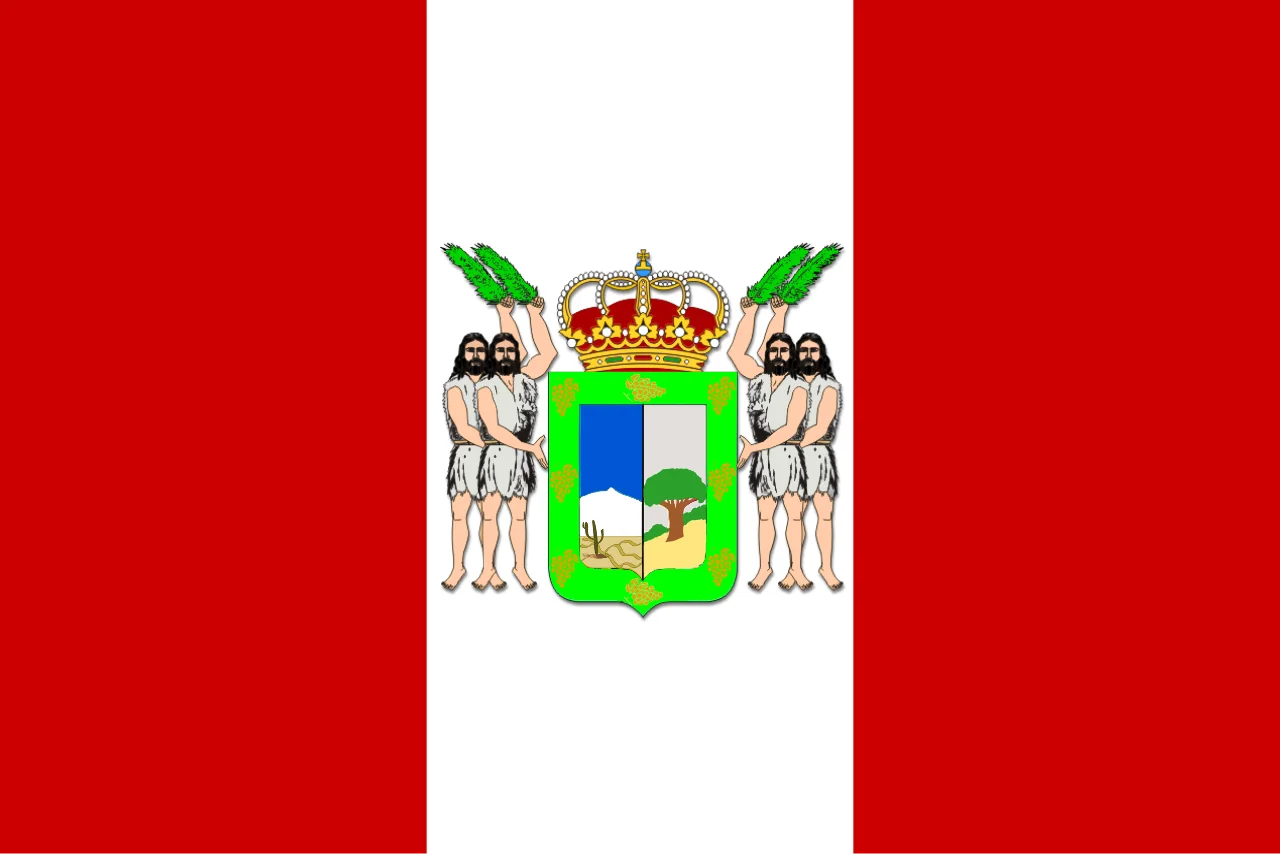
What to see in Icod de los Vinos, Tenerife
The Drago Milenario and the Cueva del Viento
Icod de los Vinos Tenerife, the city of the Drago and the wines of the north
Icod de los Vinos is one of the most unique municipalities in the northwest of TenerifeDeclared a Magical Town of the Year 2023, it combines an unrepeatable natural heritage — the Millenary Drago and the Cave of the Wind — with a historic center declared Cultural Heritage of Interest, a long winemaking tradition, and a coast with one of the most sheltered beaches in the north of the island. Moreover, its name says it all: Icod is, since the conquest, a land of wines. You can check the live cameras in Tenerife to see the weather status before visiting.
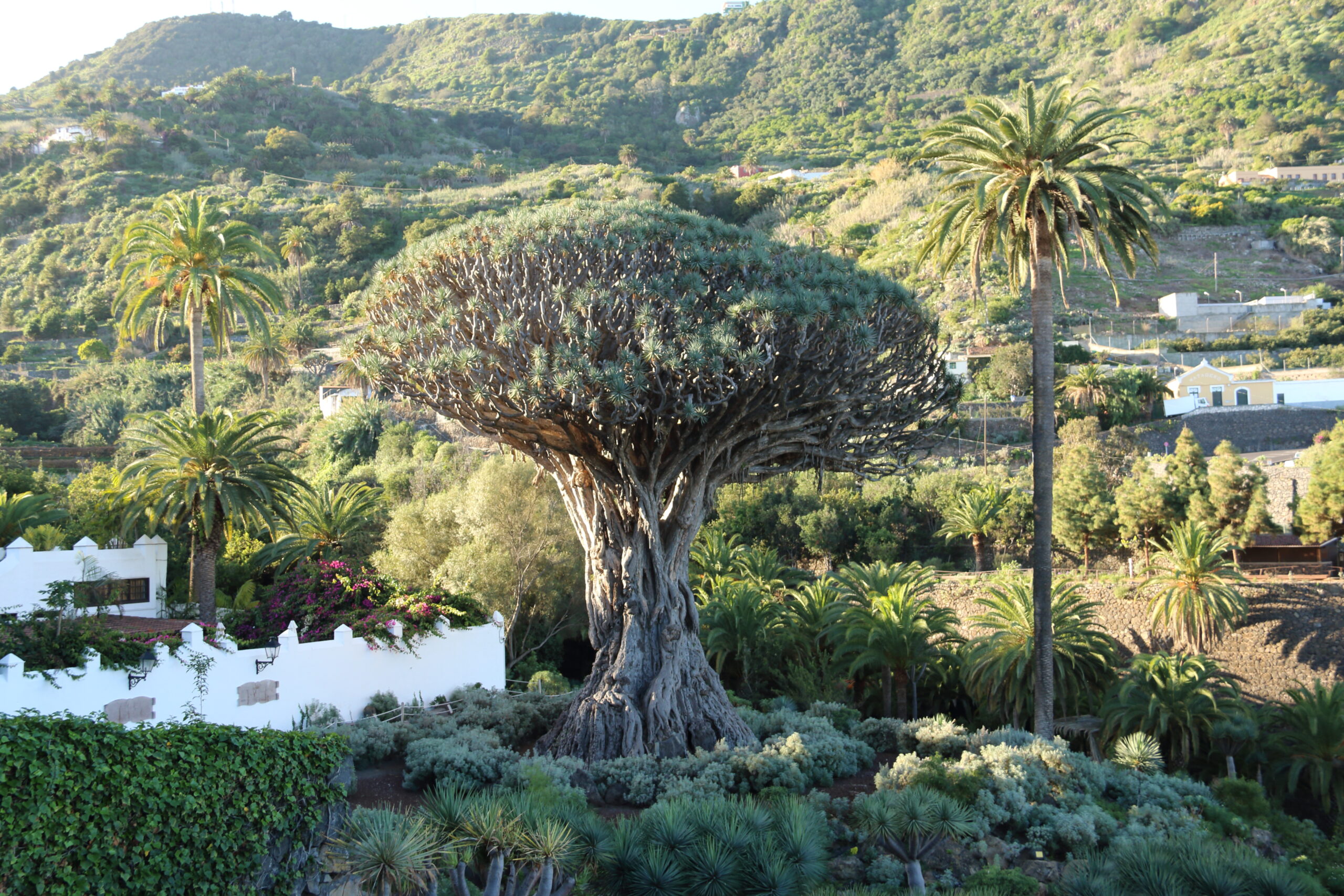
The Millenary Drago
The Millenary Drago is the most important natural and historical symbol of Icod de los Vinos and one of the icons of Tenerife. It is the largest and oldest specimen of Dracaena draco known in the world: it measures about 20 meters in height, has a trunk circumference of 20 meters, over 300 main branches, and is estimated to weigh around 140 tons. It was declared National Monument in 1917 and even appeared on the 1,000 peseta bill.
The drago is located in the Drago Park, a botanical garden of three hectares next to the Iglesia de San Marcos. In addition to the tree, the park includes a garden of Canary endemics with cardones, tabaibas, and small specimens of drago, a historic wine press, and views of the Teide. The entrance is affordable and allows you to get close to the base of the tree to appreciate its real scale. On the other hand, from the Andrés de Lorenzo Cáceres Square it is also possible to see it without entering the park, although from further away.
The Cave of the Wind
The Cave of the Wind, in the neighborhood of Los Piquetes, is one of the largest and most complex volcanic tubes in the world. With over 17 kilometers of galleries, it is the largest volcanic tube in Europe and the fifth in the world. It was formed about 27,000 years ago by the external cooling of a lava flow that kept the magma flowing inside. It also houses a cave fauna of great scientific value, with endemic species that are not found anywhere else on the planet.
Visits are guided, with a daily limited quota and with helmet and flashlight equipment, as the cave has no artificial lighting. Therefore, it is advisable to book in advance on its official website. It is a unique experience that allows understanding the volcanic character of Tenerife from the inside.
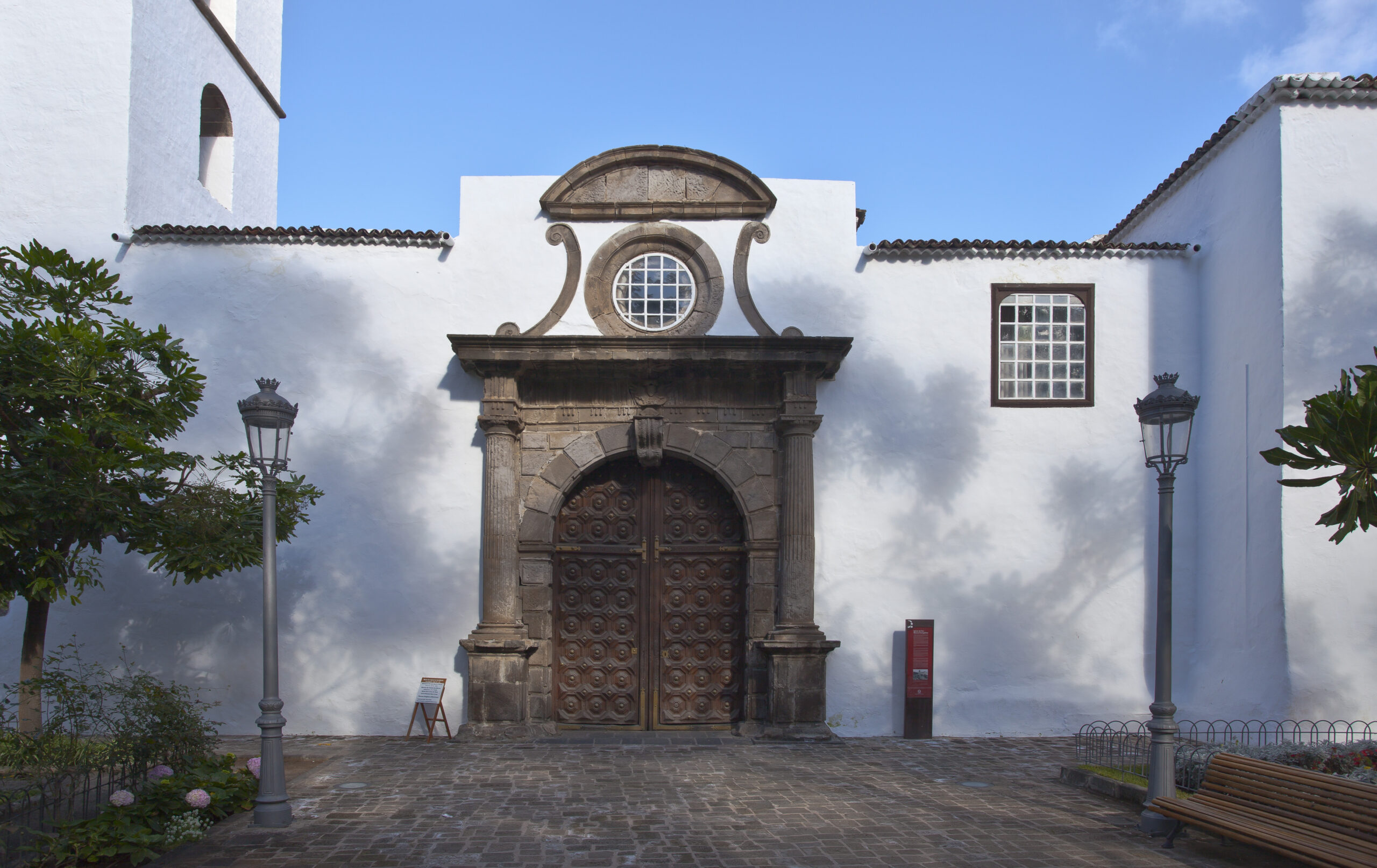
The historic center
The historic center of Icod de los Vinos was declared Cultural Heritage of Interest and is one of the most complete in the north of Tenerife. Its cobbled streets, stately homes with wooden balconies, and quiet squares preserve the image of a town that was the economic and cultural center of the northwest of the island for centuries. In fact, it is believed that Icod was the first place on the island inhabited by the Guanches, and the Cueva de los Guanches on the coast confirms settlements from the 6th century B.C.
Among its monuments, the Iglesia Matriz de San Marcos, which houses the Museo de Arte Sacro; the Convento de San Francisco, founded in 1641; the Plaza de la Pila — also known as Plaza de la Constitución —; and the Casa de los Cáceres. In addition, the Museo Guanche, next to the Parque del Drago, reconstructs the life of the aborigines of Tenerife with life-size figures.
Playa de San Marcos
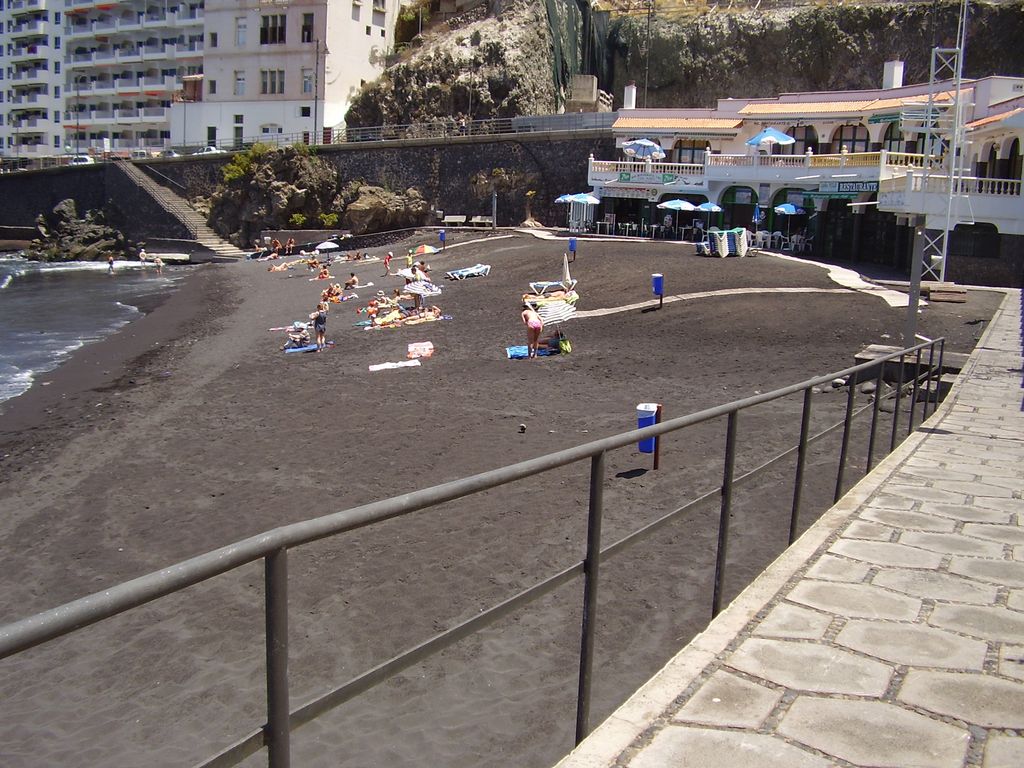
The Playa de San Marcos is just 3 kilometers from the historic center and is one of the most sheltered and tranquil beaches in the north of Tenerife. Its shell shape, the volcanic black sand, and the cliffs surrounding it create a special atmosphere, sheltered from the wind and surf. Historically, on the other hand, it was one of the favorite coves of sailors during the conquest and the place from where wooden planks were lowered via the drag, a tradition that gave rise to the famous Tablas de San Andrés.
Wines and Tradition: the Tables of San Andrés
The Festival of the Tables of San Andrés is the most popular and identifying celebration of Icod de los Vinos. Every November 30th, coinciding with the opening of the wineries and the debut of the new harvest wine, dozens of people rush down the street on wooden, methacrylate, or fiber boards down the steepest streets of the historic center. The tradition has roots in the old wood dragging of the 16th century.
In the days leading up to it, the institutional uncorking of the first wine and the Great Wine Festival in the Plaza de Andrés de Lorenzo Cáceres bring together a dozen wineries from the island and thousands of visitors. Likewise, the wine tradition of Icod has centuries of history and its white wines from the north of Tenerife are recognized for their quality and freshness.
Gastronomy in Icod de los Vinos
The gastronomy of Icod de los Vinos combines traditional Canarian cuisine with wine culture. In the taverns and restaurants of the historic center, wrinkled potatoes with mojo, salted fish, grilled meats, and artisanal cheeses are served, accompanied by local wines. In addition, the Butterfly Park, next to the Drago Park, and the Casa del Drago, known for one of the best brunches on the island in an 18th-century mansion, are highly recommended gastronomic and cultural stops.
How to get to Icod de los Vinos
Icod de los Vinos is in the northwest of Tenerife, about 55 kilometres from Santa Cruz de Tenerife via the TF-5 (approximately 50-60 minutes by car). From Puerto de la Cruz it is about 20 kilometers and 20-25 minutes. By public transport, several TITSA bus lines connect Icod with Santa Cruz, Puerto de la Cruz and other municipalities in the north. To visit the Cave of the Wind and the Playa de San Marcos it is advisable to have a car or check the schedules of the local lines. Also, check the live cameras in Tenerife to navigate the island.
Frequently Asked Questions about Icod de los Vinos Tenerife
How many years old is the Millennium Drago of Icod?
It is estimated that the Millenary Drago is around 800 years, although its exact age is difficult to determine because dragon trees do not produce annual rings. It was declared National Monument in 1917 and is the largest and oldest known specimen of its species in the world.
What is the Wind Cave of Icod?
It is one of the longest and most complex volcanic tubes in the world, with more than 17 kilometers of galleries. Located in the neighborhood of Los Piquetes, it is the largest volcanic tube of Europe. Visits are guided, with limited capacity and equipment included. It is recommended to book in advance on its official website.
When are the San Andrés Tables?
The Festival of the Tables of San Andrés is held on the November 30th coinciding with the opening of the wineries and the debut of the new wine. Dozens of people slide down the steep streets of the historic center on boards Icod de los Vinos.
How to get to San Marcos Beach from Icod?
The Playa de San Marcos is just 3 kilometers from the historic center via a road that descends to the coast. By car, it's about 5 minutes. It's a very sheltered black sand beach, ideal for calm bathing in the north of Tenerife.
What is the Drago Park?
It is a botanical garden of three hectares located next to the Iglesia de San Marcos, where the Millenary Dragois located. In addition to the tree, the park includes Canary endemic species, a historic wine press, and views of the Teide. Entrance is ticketed at a reduced price.
Why does Icod de los Vinos have 'Wines' in its name?
Because since the Castilian conquest in the 15th century, the municipality was one of the main wine producers in the north of Tenerife. Its climate, volcanic soils, and terraced vineyards have led to white wines of recognized quality for centuries, a tradition that remains alive today with active wineries in the municipality.