
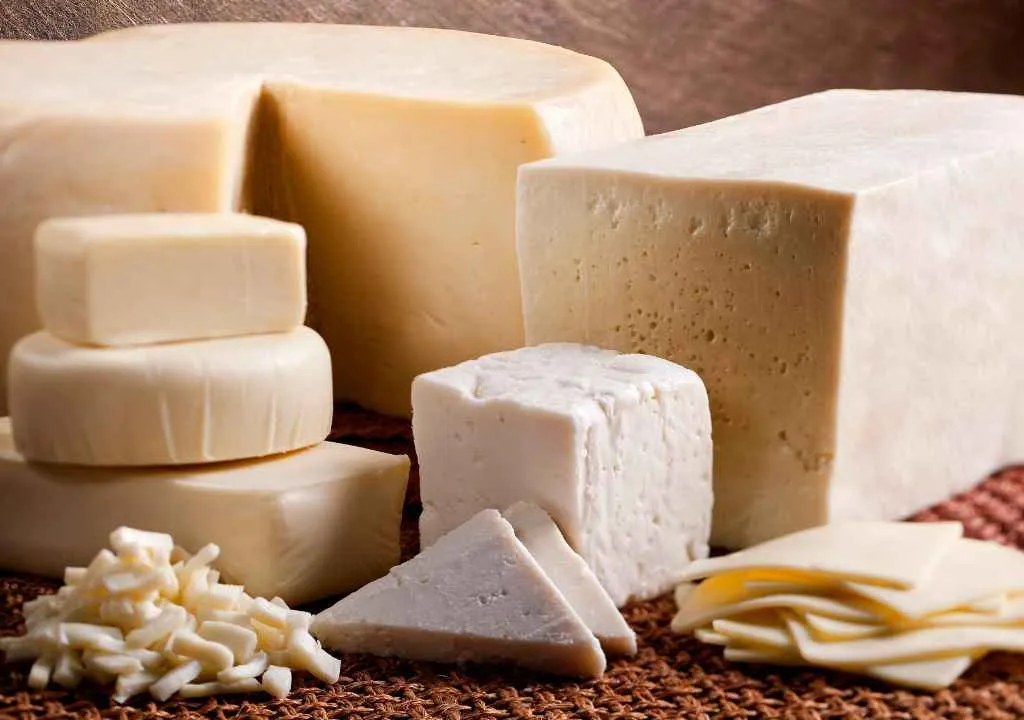
Cheese from La Palma
The cheese from La Palma is one of the great gastronomic treasures of the Canary Islands. It is also known as palmero cheese and comes from the raw milk of the palmera goat, a breed native to the island. Additionally, it has Protected Designation of Origin, which guarantees its origin and artisanal production. If you visit the La Palma island, trying it is almost mandatory.
Origin and production
Cheese has been made in La Palma for centuries. Families of shepherds have passed down the recipe from generation to generation. Today, production continues to be artisanal and is spread across small farms throughout the island.
It all starts with the palmera goat. This animal grazes on steep slopes and gives milk rich in protein, ideal for making cheese. Cheesemakers filter the freshly milked milk and curdle it with natural kid rennet at a warm temperature. Then, they cut the curds, press them into molds, and salt them. Finally, the cheese matures for the necessary time depending on the type of cheese desired.
The Protected Designation of Origin Palmero Cheese
Palmero Cheese obtained its Designation of Origin in 2001, and the European Union recognized it as DOP in 2002. It is one of the three DOP cheeses of the Canary Islands, along with Majorero Cheese and Guía Flower Cheese. A Regulatory Council, based in Breña Alta, ensures that each piece complies with the regulations. You can check the details on the Government of the Canary Islands information sheet.
Characteristics and varieties of La Palma cheese
The paste is white and shiny when the cheese is young. With maturation, it takes on ivory tones. Its flavor and aroma clearly recall goat's milk, with a hint of acidity and sometimes something spicy. Here are its main varieties:
- Soft: soft and fresh, perfect for eating alone or with bread.
- Semicured: firmer, with a balanced flavor.
- Cured: intense and hard in texture, ideal for grating.
- Smoked: the most famous version. It is smoked with almond shells, pine needles from the Canary pine, or dry prickly pear, which give it a unique aroma.
In addition, there are "herd" cheeses, large pieces weighing more than eight kilos made from the milk of the entire flock.
Palmero cheese in the kitchen
On the island, this cheese appears in many recipes. For example, it is the base of cheese mojo and escacho, a typical dish of mashed potatoes from La Palma. It is also served grilled with mojo or palm honey and pairs very well with the island's wines.
Where to buy La Palma cheese
You will find it in cheese shops, markets, and stores throughout the island. For example, in Santa Cruz de La Palma there are shops with a good selection. However, the best experience is to visit a cheese shop and buy it directly from the producer. To ensure it is authentic, look for the DOP label. In summary, La Palma cheese is a delicious souvenir and a way to take a piece of the island home.